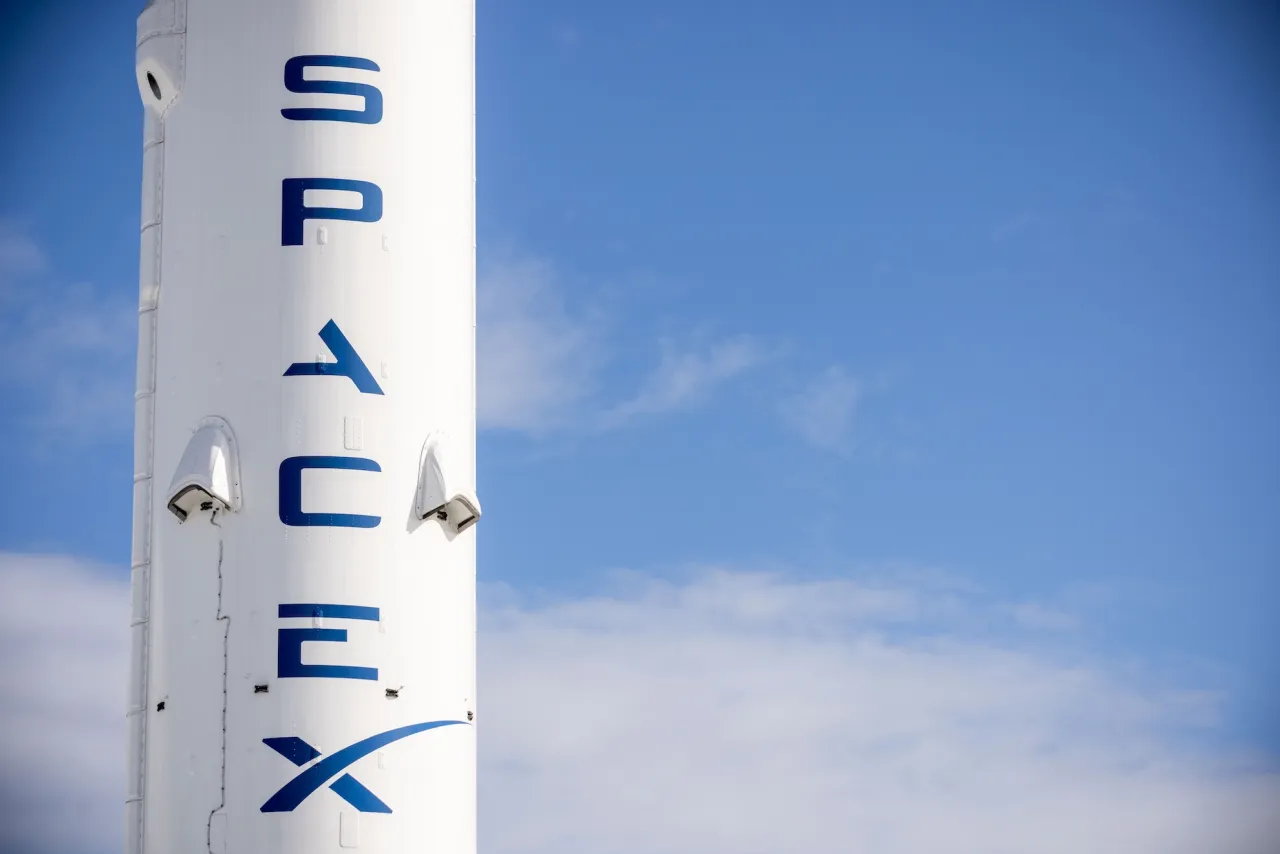
The moment SpaceX hit public markets, trading apps didn’t just light up — they buckled under pressure.
Within minutes of the company’s Nasdaq debut, millions of users rushed in at once, sending Robinhood into what it called “record-breaking” traffic. Some users even ran into latency and intermittent trading issues before the platform quickly recovered.
And that was just the beginning.
Table of Contents
ToggleWhat Happened
At around 11:47 a.m. ET, shares of SpaceX began trading on the Nasdaq.
What followed was immediate and explosive:
- Shares jumped roughly 11% right after listing
- Valuation briefly surged past $2 trillion
- Around 263 million shares traded in just one hour
- Roughly $42 billion worth of stock changed hands
All of this unfolded while only about 4% of SpaceX shares were made available in the IPO — a setup that almost guaranteed volatility from the start.
On the trading side, Robinhood reported unprecedented demand, saying traffic levels hit record highs as users flooded in to get exposure to one of the most anticipated listings in years.
Must Read: 2026: Musk Becomes First Trillionaire After Shocking SpaceX IPO Surge
Why It Matters
This wasn’t just another IPO.
It was a liquidity shock hitting retail trading at full speed.
When a stock with extreme demand meets limited supply (just 4% float), the result is predictable — but still chaotic:
- Thin supply amplifies price swings
- Retail platforms absorb sudden user surges
- Early trading becomes emotionally driven, not purely rational
And in this case, emotion clearly took over.
The biggest driver? A belief already circulating in markets that SpaceX’s valuation leap ties directly to the company’s founder, Elon Musk, who is widely described as becoming the world’s first trillionaire following the surge.
That narrative alone added fuel to an already overheated debut.
Market Impact
The early trading window looked less like a traditional IPO and more like a global event.
Quick snapshot of the first hour:
| Metric | Figure |
|---|---|
| Shares traded | 263M |
| Estimated value traded | $42B |
| Initial jump | ~11% |
| IPO float | ~4% |
The imbalance between supply and demand created a fast-moving price environment where early buyers and algorithmic traders dominated activity.
Meanwhile, Nasdaq experienced one of its most concentrated bursts of volume tied to a single listing in recent memory.
But that’s only part of the story.
The bigger issue may be what happens next.
Industry Reaction
Within the trading ecosystem, the reaction was immediate but mixed.
On one side, Robinhood’s surge signals massive retail appetite for high-profile listings. On the other, the platform’s brief performance strain raises familiar concerns about infrastructure during extreme market events.
The company acknowledged that some customers experienced latency issues but said systems recovered quickly.
Still, the moment revived a long-standing debate:
Can retail trading platforms reliably handle sudden, emotionally charged spikes in participation during mega-IPOs?
Hidden Problem
The structure of the IPO itself is where things become more complicated.
With only a small percentage of shares available publicly, SpaceX’s early price discovery is happening in a tightly constrained environment.
That creates three risks:
- Price discovery may be distorted by limited liquidity
- Early volatility can exaggerate momentum trends
- Retail traders may face uneven access during peak demand
In simple terms: when too few shares chase too many buyers, price behavior can detach from fundamentals — at least temporarily.
Contrarian View
Not everyone is convinced this is a “breakthrough moment.”
Some market watchers argue that the hype is overshadowing structural risks:
- Extreme concentration of demand in a single IPO
- Infrastructure stress on retail trading platforms
- Narrative-driven valuation spikes rather than fundamentals
From this perspective, the excitement around SpaceX’s debut may say more about market psychology than long-term stability.
Or put differently: the question isn’t just how high it goes — it’s how sustainable the early frenzy actually is.
What Happens Next
Now that SpaceX is officially public, attention shifts to what comes after the initial surge.
Key questions looming over the market:
- Will volatility stabilize once trading expands?
- Can Robinhood and other platforms handle continued spikes in activity?
- Will retail enthusiasm hold, or fade after the IPO momentum cools?
And most importantly — is this the beginning of a new era of mega-IPOs driving retail trading chaos, or just a one-off explosion tied to one of the most anticipated companies in history?
Because right now, the only certainty is this:
The market hasn’t fully caught its breath yet.
Disclaimer: This article is based on publicly available information from the provided source. No facts, figures, or outcomes were fabricated. Analysis and interpretation may evolve as new information emerges.