The 2026 FIFA World Cup hasn’t kicked off on the pitch yet — but it’s already exploding off it.
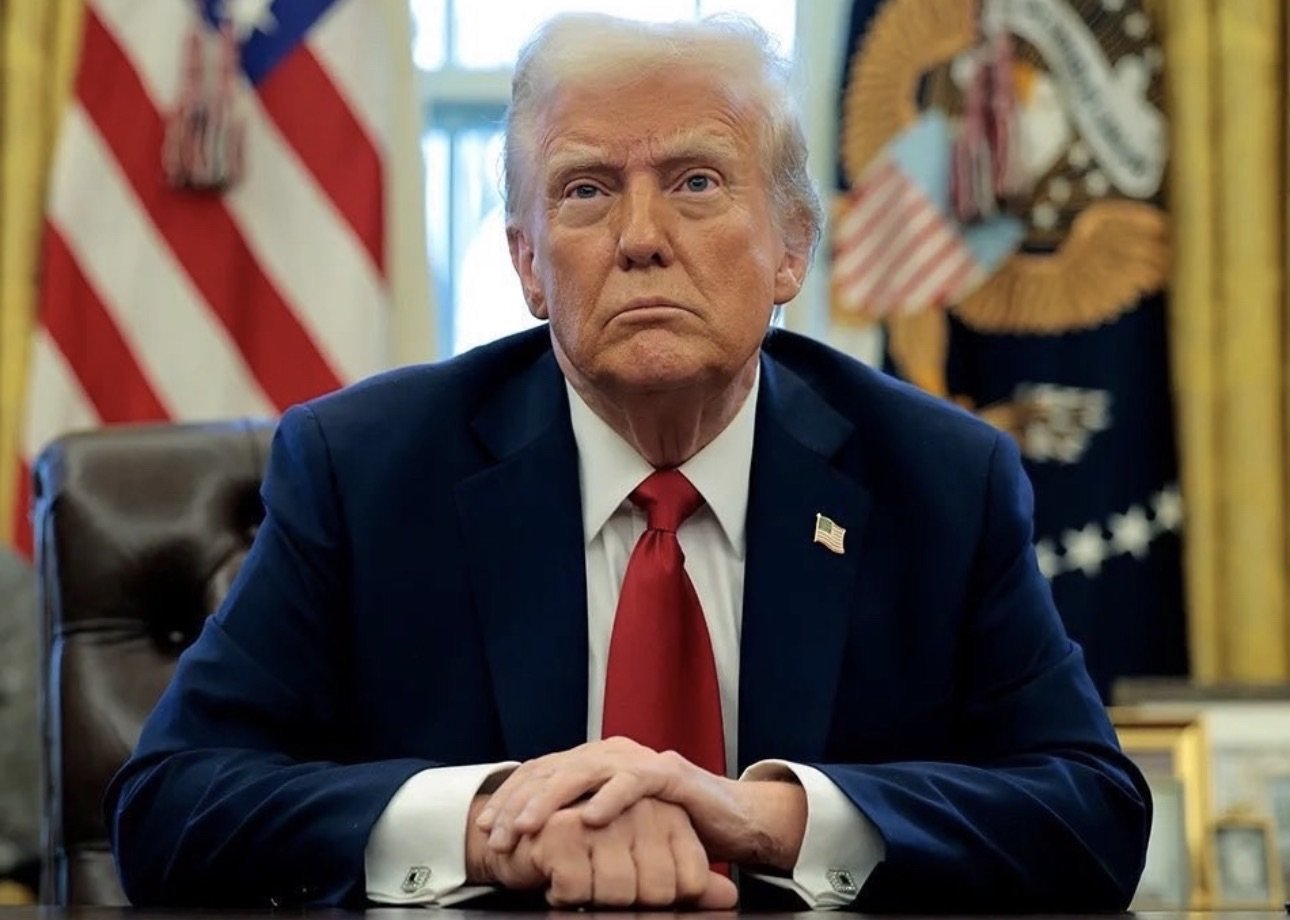
A single phrase from US President Donald Trump — “the right people” — has triggered a global backlash, reigniting fears that football’s biggest tournament is being pulled into a political storm just hours before kickoff.
And this isn’t just online noise. Real players, real fans, and real teams are already getting caught in the middle.
Table of Contents
ToggleWhat Happened: A Tournament Overshadowed Before Kickoff
The 2026 FIFA World Cup, co-hosted by the United States, Canada, and Mexico, was expected to be a celebration of global football unity.
Instead, it’s facing a growing immigration controversy.
Trump said US authorities are working closely to ensure “the right people” enter the country — while also claiming the tournament is already a massive success in ticket sales.
He added that he had spoken with Gianni Infantino, calling him “the boss,” and said FIFA had never seen anything like the demand for this World Cup.
But behind the confidence, a very different reality is unfolding.
Must Read: Vedanta Dividend Shock in 2026: Five-Way Split Sparks Big Worry
Why It Matters: Fans and Teams Already Blocked
Reports have emerged of strict US visa enforcement affecting teams and officials.
Among the most striking cases:
- Members of the administrative and technical staff of Iran were denied entry into the United States
- Their training camp had to be moved from Arizona to Tijuana, Mexico
- Referees, photographers, and team officials from multiple nations faced interrogations or outright refusals
Even fans are being hit.
Travelers from countries including Iran, Morocco, Haiti, and Ivory Coast are reportedly struggling to obtain visas, while some supporters have had travel authorizations revoked unexpectedly.
A simple ticket, it turns out, does not guarantee entry.
The Bigger Problem: Security vs Global Access
US authorities have maintained that heightened screening is necessary for security.
But the World Cup is built on something very different — openness.
That tension is now becoming the central conflict of the tournament.
Quick snapshot of disruptions so far:
| Issue | Reported impact |
|---|---|
| Visa denials | Team staff and officials blocked |
| Airport interrogations | Players and referees detained for hours |
| Travel document revocations | Fans losing ESTA approvals |
| Training camp relocations | Teams shifting bases outside US |
FIFA has even acknowledged what it called a “World Cup of chaos,” warning that tickets alone do not guarantee entry.
Industry Reaction: “This Feels Out of Control”
Reactions across social media and football circles have been intense.
Some critics say the US has created an atmosphere where sport is being overshadowed by border policy.
Others argue FIFA should have anticipated the risks when awarding hosting rights.
One viral sentiment summed it up bluntly: the tournament feels like it is being managed not just by FIFA — but by immigration systems, political messaging, and security agencies at the same time.
And that’s where the controversy deepens.
Contrarian View: Is This Actually Just Strict Enforcement?
Not everyone sees a breakdown.
Some analysts argue the situation is being overstated online.
Their view: every World Cup host country enforces strict entry rules, especially during major global events.
From this perspective, the US is not uniquely restrictive — it is simply applying its existing immigration framework at scale during one of the world’s largest security-sensitive events.
In short, the argument is not chaos — but consistency under pressure.
Still, critics counter that football’s global identity depends on accessibility, and even “normal” restrictions feel amplified when the entire world is watching.
Hidden Problem: The Experience Gap
Beyond politics, a quieter issue is emerging — access inequality.
If fans from certain regions cannot attend, and teams arrive without full staff or media support, the World Cup risks becoming uneven in experience before the first whistle even blows.
That raises uncomfortable questions:
- Can a global tournament feel global if access is restricted?
- Does security override sporting unity?
- And who ultimately decides what “right people” means in a football context?
What Happens Next: Pressure Builds Before Kickoff
With the opening match scheduled on 12 June (Indian time), attention is now shifting rapidly.
FIFA and US authorities are under pressure to ensure smoother entry processes for remaining teams and fans.
But with visa rules already in motion, reversing course may be difficult.
The early days of the tournament could set the tone — not just for football, but for how the world perceives the US as a host.
And that leads to one lingering question:
Will the 2026 World Cup be remembered for football history… or border politics?
Editorial Disclaimer
This article is based on publicly available information from reported statements and news coverage. No facts, outcomes, or quotes have been fabricated. Analysis and interpretation reflect current reporting and may evolve as new information emerges.