India’s phone calls are getting so overwhelming that people are now letting AI answer for them.
But the real twist? The assistant doesn’t just block spam — it speaks on your behalf.
And that’s exactly why Equal AI’s new $30 million funding round is turning heads.
Table of Contents
ToggleWhat Happened
Equal AI, a fast-growing Indian startup, has raised $30 million in Series B funding led by Prosus Ventures and Tomales Bay Capital, with participation from investors including Think Investments and Valiant Fund.
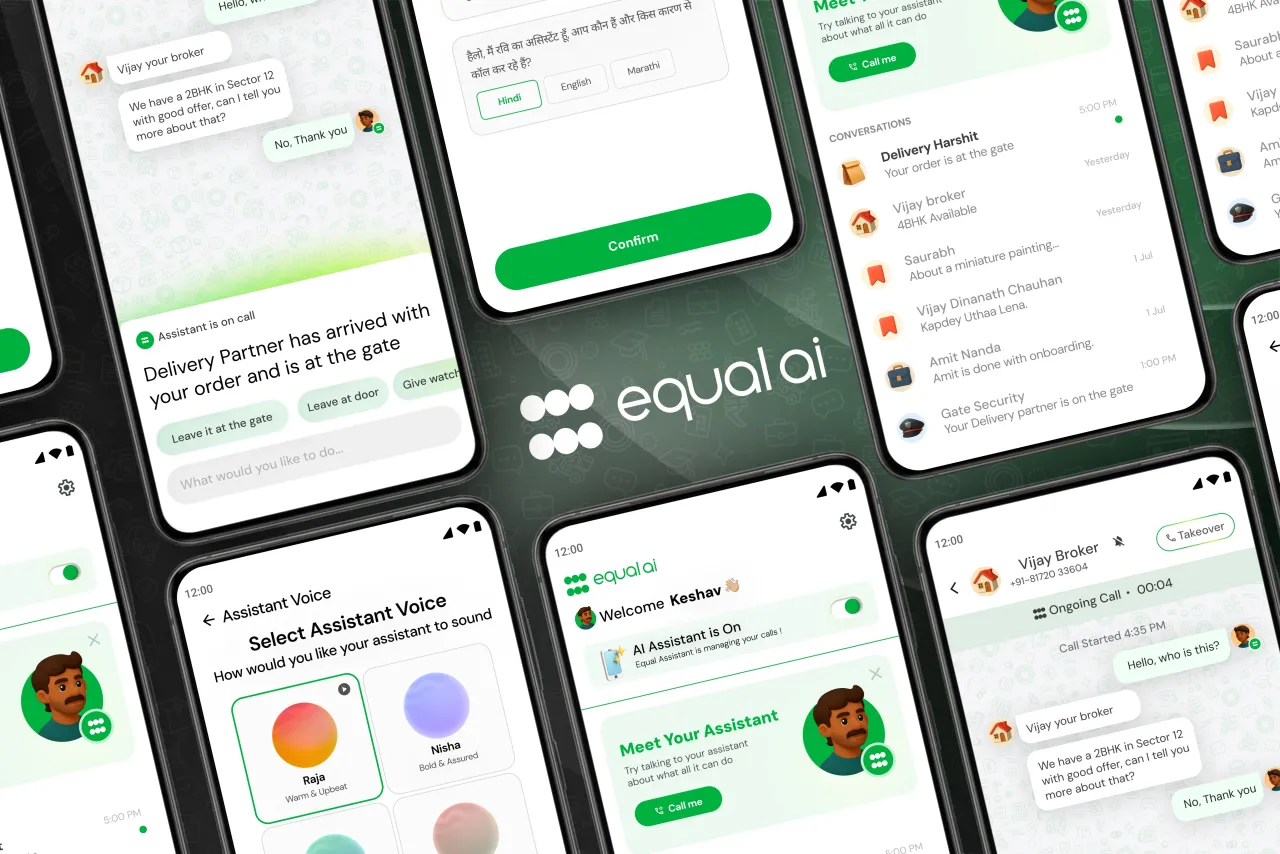
The app — already live on Android — is designed to answer your calls for you, figure out why someone is calling, and respond in real time using AI.
In just one year:
- 1M+ monthly active users
- 300K+ daily active users
- Rapid expansion across India’s chaotic call ecosystem
Founder Keshav Reddy says the idea is simple but radical:
Let AI deal with the flood of unknown calls so humans don’t have to.
Must Read: How Theker’s $85M 2026 Robotics Bet Is Sparking Massive Debate
Why It Feels Like a Big Shift
India’s phone culture is intense — delivery agents, loan offers, insurance agents, job recruiters, scams, and everything in between.
Equal AI steps directly into that chaos with something unusual:
Instead of just showing caller ID like Truecaller or relying on systems like CNAP, it actually talks back.
Users can:
- Choose quick replies like “Leave it at the door”
- Type custom instructions for AI to speak
- Get call recordings + summaries after the conversation
It’s not just screening — it’s delegating your voice.
The Bigger Idea: Your Phone Is No Longer Yours
This is where things start to feel slightly futuristic… or slightly unsettling.
Equal AI’s system combines:
- Speech recognition (ASR)
- Language models
- Real-time voice generation
- Its own orchestration layer
And it already supports 10+ languages, including code-mixed speech — a major reality in India where people switch between languages mid-sentence without thinking.
Key takeaway:
Your phone calls are no longer just incoming — they’re being interpreted, summarized, and answered by AI in real time.
Market Impact: A New Battlefield for Call Control
Equal AI is entering a crowded but high-stakes space.
Big players are already here:
- Google and Apple both offer call screening tools
- Truecaller dominates caller identification in India
- US-based startups like Cloaked are experimenting with privacy-first call handling
But Equal AI is betting that context beats identification.
Instead of telling you “who is calling,” it tells you:
“Why they’re calling — and what you should do about it.”
Hidden Problem No One Is Talking About
The convenience is obvious. But so is the trade-off.
Equal AI records calls, transcribes them, and summarizes them inside the app.
That raises uncomfortable questions:
- Who owns the conversation data?
- How securely is it stored?
- Could AI misunderstand or misrepresent intent?
- What happens when AI speaks for you incorrectly?
Even more interesting: users are essentially allowing a system to act as their voice in real-world conversations.
That’s not just automation — it’s delegation of identity.
Contrarian View: Is This Solving a Problem… or Creating One?
Not everyone is convinced this is progress.
Critics argue:
- India already has spam filters and caller ID tools
- Many “unknown calls” are actually important, just unrecognized
- Letting AI respond could remove human judgment from sensitive conversations
- Over-automation may make communication even more impersonal
And then there’s a sharper critique:
What if people start trusting AI responses more than their own instincts?
Because once AI starts handling calls, it’s only a small step before it starts deciding which calls deserve your attention at all.
What Happens Next
Equal AI isn’t stopping at call screening.
The company is already working on:
- Screening known contacts (not just unknown numbers)
- Proactive actions like texting delivery instructions
- Outbound AI calls for booking appointments
- An iOS version of the app
- Paid subscription tiers with advanced features
The ambition is clear:
Turn your phone into an autonomous communication agent.
The Funding Twist Behind the Scenes
The $30M round itself comes with an unusual structure: three tranches tied to performance targets.
That means valuation can shift depending on milestones — a model that lets startups highlight higher potential valuations even if actual equity pricing varies.
It’s flexible. It’s strategic. And it’s becoming more common in competitive AI funding cycles.
Key Takeaway
Equal AI isn’t just building a call assistant.
It’s building a system that replaces your first layer of human communication entirely.
And in a country where phone calls never stop, that idea is either:
- a lifesaver
or - the beginning of a new kind of dependency
What Happens Next Feels Uncertain
If AI becomes the default voice answering our phones, the real question isn’t whether it works.
It’s whether people will still feel in control of their own conversations.
And once that shift begins… can it ever be reversed?
Disclaimer: This article is based on publicly available information. No facts, quotes, or data points were fabricated. Analysis and framing reflect interpretation of reported developments and may evolve as new information emerges.