Something unusual is happening in India’s EV market.
After months of speculation and teasers, Tata Motors is finally preparing to pull the covers off the Tata Sierra EV on June 30. And if the details revealed so far are any indication, this may not be just another electric SUV launch.
It could be one of Tata’s most important product unveilings in years.
The reason? The Sierra name carries enormous emotional weight for Indian buyers. But this time, Tata isn’t looking backward. It’s betting on an all-electric future.
And that changes the conversation completely.
Tata Sierra EV Reveal Date Confirmed
More than six months after the new-generation Tata Sierra was showcased, the fully electric Sierra.ev is now approaching its official debut.
Tata Motors plans to unveil the SUV on June 30, marking a major step in the company’s expanding EV strategy.
The electric version has already appeared briefly in promotional material before, but the upcoming reveal is expected to provide the clearest look yet at what could become one of India’s most talked-about EV launches of 2026.
But that’s only part of the story.
The Sierra EV isn’t simply an electric version of an existing SUV. Tata appears to have made several significant changes that could make it feel like a completely different product.
Must Read: Hyundai’s Massive 2026 SUV Surprise? New Bayon-Based Model Spotted Testing in India
A Cleaner, More Futuristic Design
One of the biggest visual differences sits right at the front.
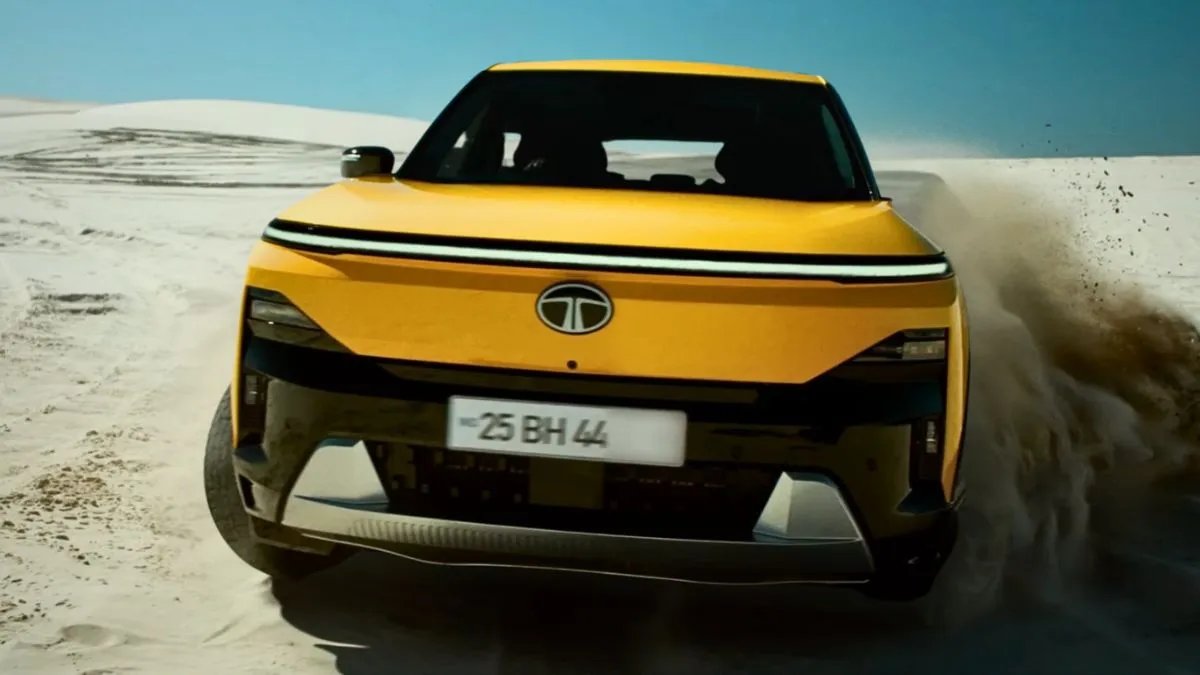
Unlike the ICE-powered Sierra, the Sierra EV is expected to feature a cleaner and less aggressive face. The familiar black front mask seen on the petrol and diesel model is likely to be replaced by a largely body-coloured upper fascia.
The result could be a more premium and futuristic appearance.
Expected design highlights include:
- Full-width LED DRL light bar
- Thicker and more uniform lighting signature
- Hidden horizontal headlamps
- Vertically positioned fog lamps
- Unique 19-inch alloy wheels
- Dedicated “.ev” badging
These changes may sound subtle on paper.
On the road, however, they could be enough to instantly separate the EV from its ICE sibling.
Quick Look: Sierra EV vs Sierra ICE
| Feature | Sierra EV | Sierra ICE |
|---|---|---|
| Front fascia | Body-coloured | Black mask design |
| Drivetrain | RWD / AWD | FWD |
| EV-specific badging | Yes | No |
| Unique alloy wheels | Yes | Standard design |
And this is where things become interesting.
Inside, Screens Take Center Stage
The cabin is expected to remain largely similar to the standard Sierra.
That isn’t necessarily bad news.
Tata’s latest interior design language focuses heavily on technology, and the Sierra EV is likely to continue that approach.
Expected interior features include:
- 12.3-inch infotainment touchscreen
- 12.3-inch passenger display
- 10.25-inch digital instrument cluster
The software experience is expected to include EV-specific functions, while unique trim finishes and colour themes could help distinguish the electric model.
For buyers stepping into the Sierra EV, the cabin may feel more like a connected digital lounge than a traditional SUV interior.
The Mechanical Changes Could Matter Even More
While the styling updates will attract attention, the real transformation may be underneath the body.
The Sierra EV is expected to move away from the front-wheel-drive layout used in the ICE version.
Instead, Tata is likely to adopt a rear-wheel-drive configuration.
That’s a major shift.
Even more notably, an all-wheel-drive setup is expected to be available through the addition of a second electric motor powering the front wheels.
The SUV is also expected to feature a multi-link rear suspension aimed at improving ride comfort and overall driving dynamics.
Expected Variant Choices
Buyers could get three broad options:
- Standard-range RWD
- Extended-range RWD
- Extended-range AWD
The extended-range rear-wheel-drive version could reportedly offer a driving range of around 600 km on a single charge.
If achieved in real-world conditions, that would become one of the most closely watched figures in the segment.
Why the Competition Should Be Paying Attention
The timing of the Sierra EV launch is significant.
India’s electric SUV market is becoming increasingly crowded, with several major manufacturers preparing aggressive expansion plans.
The Sierra EV is expected to compete with:
- Maruti Suzuki e Vitara
- Hyundai Creta Electric
- VinFast VF 6
- Toyota Urban Cruiser Ebella
That creates an interesting battle.
Every brand is chasing the same rapidly growing EV customer base, but Tata enters the fight with something many rivals lack: a deeply familiar nameplate and a strong existing EV presence.
Contrarian View: Is Nostalgia Enough?
Not everyone is convinced that the Sierra badge alone guarantees success.
While the name generates excitement, today’s EV buyers are often focused on practical factors such as charging convenience, software quality, real-world range, efficiency, and ownership experience.
That raises an important question.
Will emotional brand value be enough once customers begin comparing specifications, technology, pricing, and charging ecosystems?
The answer may ultimately determine whether the Sierra EV becomes a segment leader or simply another strong contender.
What Happens Next?
The June 30 unveiling is likely to answer several key questions that buyers have been waiting months to hear.
Battery specifications, powertrain details, variant structure, feature lists, and additional technology announcements could all emerge during the reveal.
One feature expected across the lineup is Vehicle-to-Load (V2L) functionality, allowing external devices to draw power directly from the vehicle’s battery pack.
For many buyers, however, the biggest question remains surprisingly simple:
Can Tata successfully transform one of India’s most iconic SUV names into a modern electric success story?
The answer is now just weeks away.
Editorial Disclaimer: This article is based entirely on publicly available information reported by the source and officially revealed details available at the time of writing. No facts, outcomes, specifications, timelines, or claims have been fabricated. Analysis and market implications may evolve as new information emerges.