Something unusual is unfolding between Washington and Tehran — and it’s moving faster than even diplomats can fully confirm.
A signed agreement “tomorrow,” a global shipping chokepoint suddenly declared “open,” and a country saying it hasn’t even confirmed the deal exists yet.
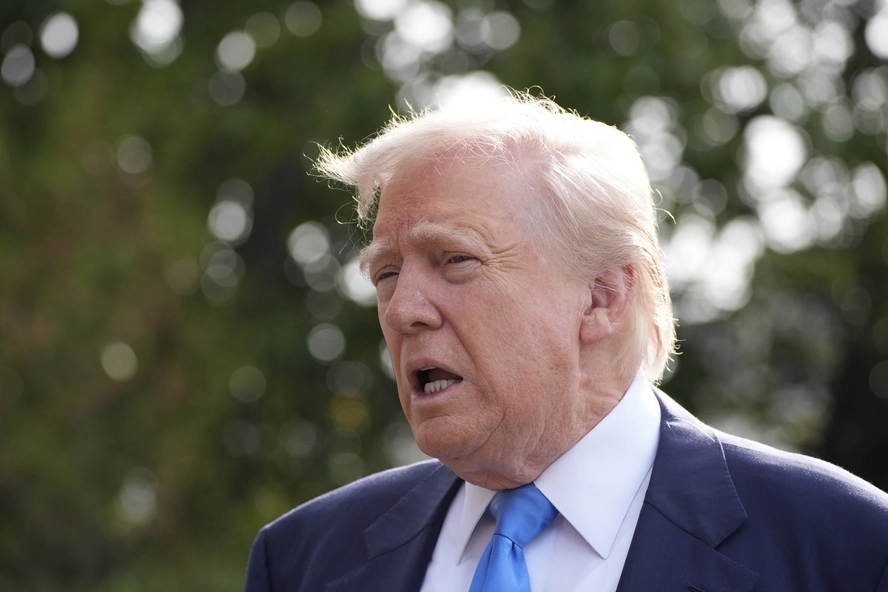
President Donald Trump’s latest claim about an Iran agreement has thrown global security watchers into a tense waiting game.
And the biggest question right now is simple:
Is this a breakthrough — or a breakdown in progress dressed up as a deal?
Table of Contents
ToggleWhat Happened
On Saturday, Trump announced on Truth Social that an agreement with Iran is scheduled to be signed on Sunday.
He offered no full details, but the message was direct — and bold.
The deal, he said, would block Iran from obtaining a nuclear weapon “through purchase, development, or any other form of procurement.”
He also added a striking promise: the Strait of Hormuz would be “OPEN TO ALL” immediately after signing.
That single line immediately raised global attention.
Why? Because the Strait of Hormuz is one of the world’s most critical energy corridors — and it has already been under severe strain.
But there’s a catch.
Iran has not confirmed any finalized agreement.
Iranian Foreign Minister Abbas Araghchi only said a deal “has never been closer.”
And Iranian state media described what’s happening not as an end deal — but potentially a 60-day extension framework to keep negotiations alive.
A final agreement? Still unclear.
Must Read: 2026 Trump Pardons Trigger Shocking Diesel Clean Air Act Backlash
Why It Matters
This isn’t just political messaging.
It’s about nuclear risk, energy flow, and global economic pressure points all colliding at once.
Trump’s version of the deal reportedly includes:
- Blocking Iran’s nuclear weapon capability in any form
- Removing and destroying remaining nuclear material described as “Nuclear Dust”
- Restoring full access to a vital global shipping route
At the same time, Iran’s partial communication suggests something far less final — more of a temporary diplomatic pause than a historic resolution.
That gap between narratives is exactly what is fueling uncertainty.
Quick snapshot of tension points:
| Issue | US Position | Iran Position |
|---|---|---|
| Nuclear program | Full prevention + removal | Negotiation ongoing |
| Agreement status | Ready to sign | Not confirmed |
| Strait of Hormuz | Reopening promised | Previously restricted amid conflict |
And that divergence is where the global confusion is coming from.
The Bigger Backdrop No One Is Ignoring
This announcement doesn’t exist in isolation.
The past months have already seen extreme volatility between the two sides.
- Threats of military strikes escalated sharply
- Trump earlier called off planned strikes after renewed talks
- He also publicly warned Iran in increasingly hostile terms
- Leaks reportedly sparked accusations of dishonesty in negotiations
At one point, Trump said discussions had reached Iran’s “highest level of leadership.”
Then days later, he described Iranian interlocutors as “very dishonorable people to deal with.”
That emotional swing — from diplomacy to frustration — has become a defining feature of the talks.
And markets noticed.
Energy prices have already been under pressure due to disruptions tied to the Strait of Hormuz, which plays a major role in global oil transport.
Industry Reaction
Energy traders and geopolitical analysts are watching one thing closely: confirmation.
Because right now, the deal exists in a strange space — announced by one side, not confirmed by the other.
That alone creates volatility.
And volatility in the Middle East almost always translates into:
- Oil price instability
- Shipping insurance spikes
- Supply chain uncertainty
- Rapid speculative trading
Even the wording of Trump’s statement — especially the promise of “Nuclear Dust” removal — has sparked debate over how enforceable or literal the framework may be.
Contrarian View
Not everyone sees this as progress.
Some analysts argue this isn’t a breakthrough at all — but a high-risk political signal battle.
Their concern is simple:
What if both sides are describing different versions of the same negotiation?
- One side frames it as a near-final agreement
- The other frames it as an extension of talks
That mismatch can be dangerous.
Because in diplomacy, misaligned expectations can escalate faster than silence.
And in this case, everything hinges on confirmation that has not yet arrived.
What Happens Next
All eyes now turn to Sunday.
If the agreement is signed as Trump claims, it could mark one of the most significant diplomatic shifts in recent US–Iran relations.
If it isn’t?
The fallout could be immediate — not just politically, but economically.
Key unknowns heading into the next 24–48 hours:
- Will Iran officially confirm any agreement?
- Is this a full deal or a temporary framework?
- Will the Strait of Hormuz actually reopen as stated?
- How will markets react if expectations collapse?
For now, the situation remains suspended between announcement and reality — with global stakes hanging in the balance.
And the biggest uncertainty of all is still unanswered:
Was this the beginning of a breakthrough… or just another turn in a cycle that refuses to end?
Editorial disclaimer: This article is based on publicly available information from reported statements and does not introduce any fabricated facts, outcomes, or quotations. Analysis reflects interpretation of ongoing developments and may evolve as new information emerges.