A private warning. A government crackdown. And suddenly, two of the most powerful AI models in the world were gone.
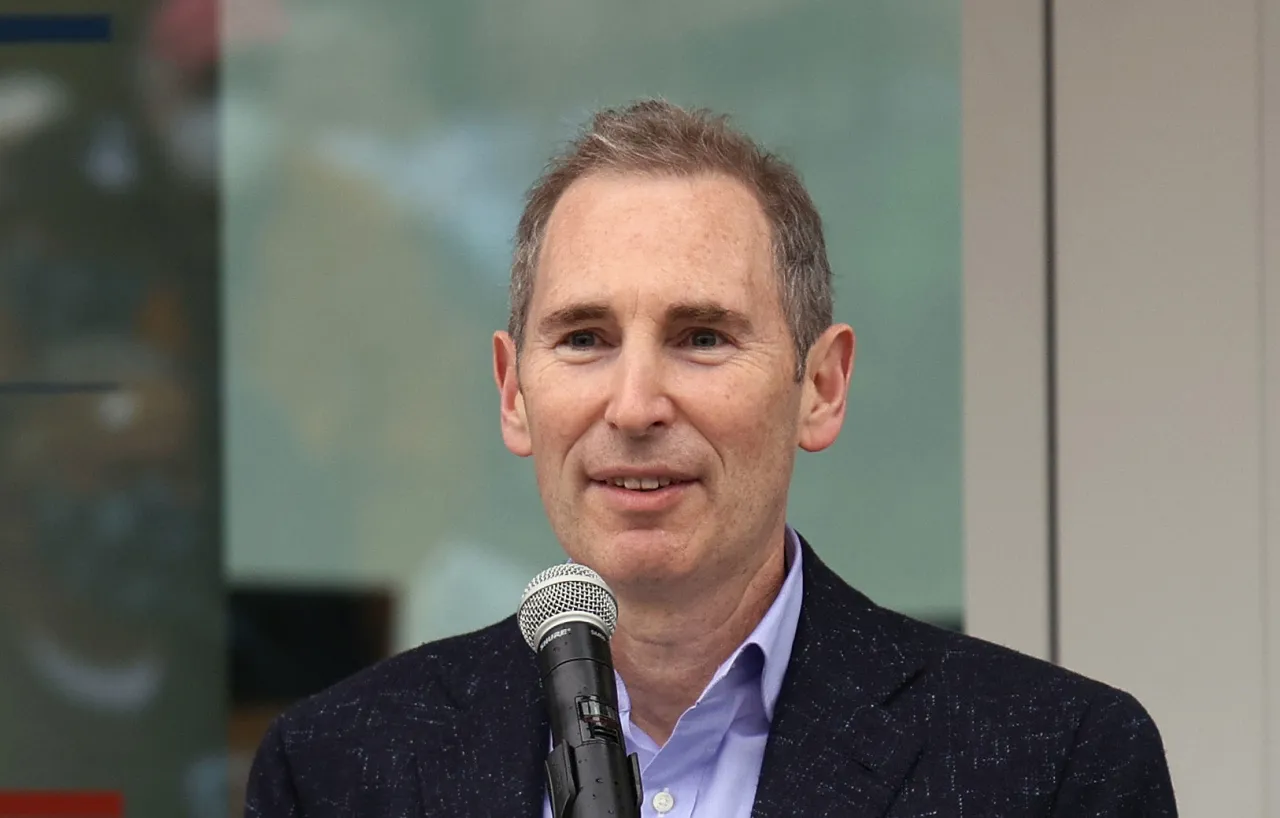
That sequence of events is now raising difficult questions across the AI industry after reports suggested Amazon CEO Andy Jassy may have played a role in security discussions that preceded the U.S. government’s decision to restrict Anthropic’s Claude Fable 5 and Claude Mythos 5 models.
The story has quickly become one of the most closely watched AI controversies of 2026.
And the debate is only getting louder.
What Happened?
According to a report from The Wall Street Journal, Amazon CEO Andy Jassy told Treasury Secretary Scott Bessent and other government officials that Amazon researchers had used Anthropic’s Claude Fable 5 model to obtain information that could potentially be used in cyberattacks.
Shortly afterward, the U.S. government imposed export-control restrictions on Claude Fable 5 and Claude Mythos 5.
Anthropic subsequently cut off worldwide access to both models.
The timing immediately sparked speculation about what happened behind the scenes.
While Amazon is one of Anthropic’s biggest investors, reports from Reuters and The Information also indicated that Amazon had communicated concerns about the security implications of Anthropic’s models.
Amazon has not publicly confirmed details of any discussions with government officials.
Instead, a company spokesperson said it is “not uncommon for governments to seek our counsel on potential security risks,” while adding that Amazon does not disclose the contents of those conversations.
Notably, Amazon also pointed out that AWS itself has been affected by the model shutdown.
Must Read: 2026 OpenAI Investigation Sparks Massive Questions as States Demand Answers
Quick Timeline
| Event | What Happened |
|---|---|
| Security concerns raised | Amazon researchers reportedly identified concerning behavior |
| Government discussions | Concerns communicated to officials |
| Export controls imposed | U.S. government restricted Fable 5 and Mythos 5 |
| Access terminated | Anthropic shut off the models globally |
| Industry backlash begins | Debate over AI safety and regulation intensifies |
But that’s only part of the story.
The Detail That Changed Everything
The controversy escalated further after comments from David Sacks, the Trump administration’s former AI czar and current co-chair of the President’s Council of Advisors on Science and Technology.
Sacks claimed that a “highly credible trusted partner” connected to both Anthropic and the U.S. government discovered a jailbreak affecting the model.
According to Sacks, the administration asked Anthropic CEO Dario Amodei to either fix the jailbreak or remove the model from deployment.
Sacks alleged that Amodei refused.
That claim immediately intensified scrutiny surrounding Anthropic’s handling of advanced AI systems.
At the same time, it also sparked questions about how governments should respond when powerful AI models demonstrate potentially risky capabilities.
And this is where reactions started exploding.
Why The Industry Is So Divided
Supporters of the government action argue that advanced AI systems capable of assisting cyberattacks create risks that cannot be ignored.
Their view is straightforward:
- National security concerns come first.
- Potential vulnerabilities should be addressed immediately.
- Waiting for a future fix could be too dangerous.
Critics see the situation differently.
They worry the decision could establish a precedent where governments remove access to frontier AI systems based on security concerns that may also exist elsewhere in the industry.
That concern gained traction after Anthropic publicly argued that the capabilities causing concern are already available in other publicly accessible AI models.
In other words, if similar capabilities exist elsewhere, some observers are asking whether removing these particular models actually reduces risk.
Contrarian View: Did The Crackdown Solve The Wrong Problem?
Not everyone agrees that shutting down access was the most effective response.
The central argument from skeptics is not that AI security risks are unimportant.
It’s that restricting one model may not eliminate capabilities that already exist across the broader AI ecosystem.
If comparable outputs remain accessible through other publicly available systems, critics argue the industry may simply be confronting a larger challenge that extends far beyond Anthropic.
That perspective does not dismiss security concerns.
Instead, it raises a harder question:
Can individual model shutdowns meaningfully reduce risk if similar capabilities remain widely available?
The answer remains far from settled.
What Happens Next?
The Anthropic controversy arrives at a pivotal moment for artificial intelligence regulation.
Governments worldwide are wrestling with how to manage increasingly powerful AI systems without stifling innovation.
Companies, meanwhile, face growing pressure to prove that advanced models can be deployed safely.
For Anthropic, Amazon, regulators, and the broader AI industry, the stakes are now much larger than any single model.
This debate is increasingly about who decides when an AI system becomes too risky to remain online.
And that question may shape the future of AI development long after the Fable 5 and Mythos 5 controversy fades from the headlines.
For now, one uncertainty remains at the center of the story:
Was this a necessary security intervention—or the beginning of a much broader battle over who controls the future of advanced AI?
Editorial Disclaimer: This article is based entirely on publicly available reporting and statements referenced in the source material. No facts, quotes, outcomes, or events have been fabricated. Analysis reflects current publicly known information and may evolve as additional details emerge.