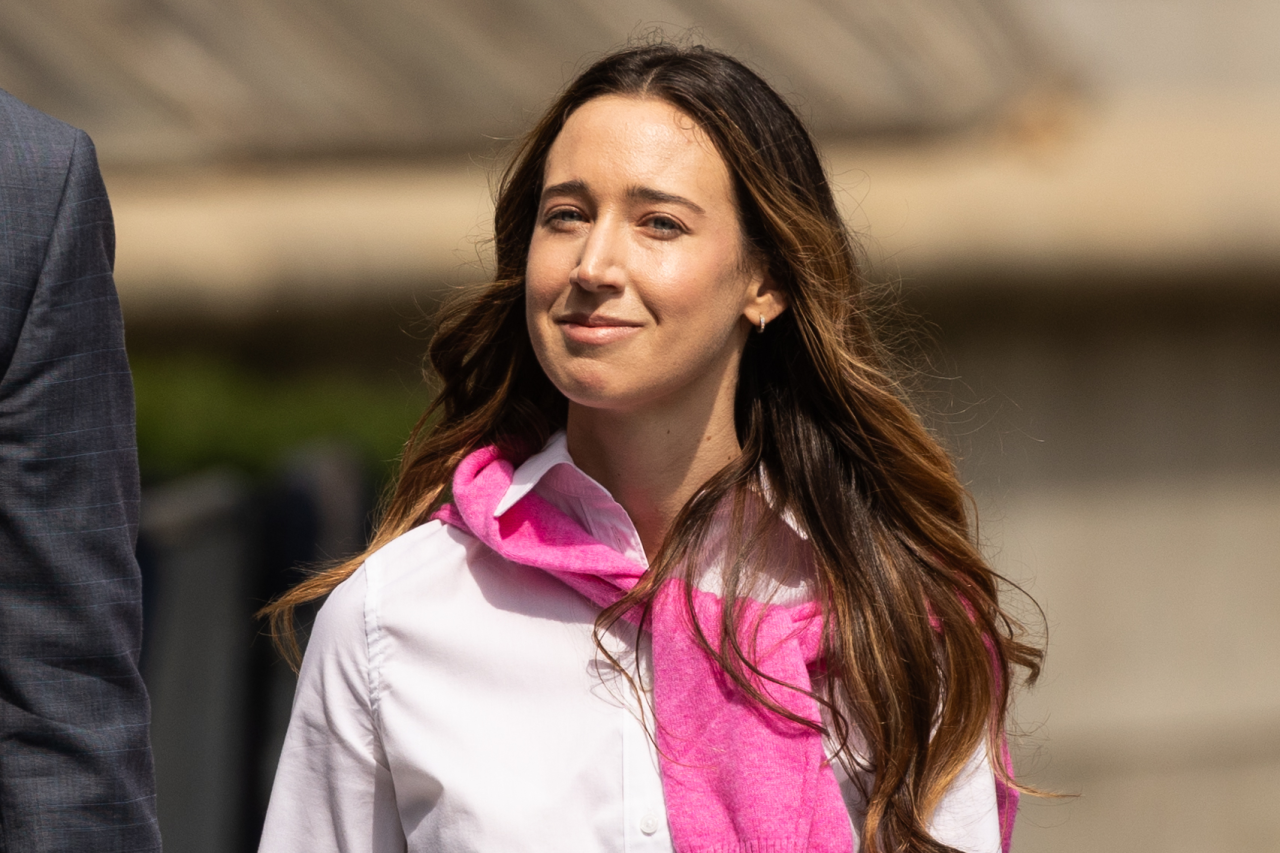
A convicted startup founder, a presidential pardon campaign, a Wall Street giant, and a growing political controversy.
Charlie Javice is back in the spotlight — and this time, the story extends far beyond fintech.
According to a report from The Wall Street Journal, Javice, the founder of student-finance startup Frank, is reportedly seeking a presidential pardon from President Donald Trump. Her representatives have reportedly been reaching out to people close to the Trump administration, even though her name has not yet appeared on a formal clemency request list at the U.S. Department of Justice.
That development alone would be enough to spark attention.
But it is unfolding at a moment when the administration is reportedly considering roughly 250 pardons this summer as part of events tied to America’s 250th birthday.
And that is where the story becomes much bigger.
A Growing Wave of High-Profile Pardon Requests
Javice is not the only white-collar defendant reportedly seeking clemency.
The Wall Street Journal report says a growing number of requests are arriving from individuals convicted in major financial and corporate cases. Among the names reportedly seeking relief is former FTX founder Sam Bankman-Fried.
For observers of the startup and finance worlds, the trend is impossible to ignore.
What was once a legal process largely operating outside public discussion is increasingly becoming a headline issue involving some of the most recognizable figures in business and technology.
Must Read: UK’s Controversial 2026 Social Media Ban Could Reshape Life for Millions of Teens
Quick Timeline
| Event | What Happened |
|---|---|
| Frank acquisition | JPMorgan acquired Frank for $175 million |
| September 2025 | Javice was found guilty |
| Current situation | Javice is serving a prison sentence and appealing |
| New development | Reportedly pursuing a Trump pardon |
But that’s only part of the story.
Why JPMorgan May Be Watching Closely
The pardon effort comes after one of the most closely watched startup fraud cases in recent years.
Last September, Javice was found guilty of fabricating millions of customer accounts before selling Frank to JPMorgan for $175 million.
Prosecutors argued that the inflated customer numbers helped increase the startup’s value ahead of the acquisition.
Javice is currently serving a prison sentence of more than seven years.
She is also appealing the verdict, arguing that the case against her was unfair.
A successful appeal would already be significant.
A presidential pardon would create an entirely different conversation.
And that possibility places renewed attention on JPMorgan, the bank at the center of the original case.
The Political Layer Makes Things Even More Complicated
The story becomes even more complex when politics enters the picture.
President Trump has previously criticized JPMorgan over the bank’s decision to close accounts connected to him and his businesses shortly after the January 6 Capitol riot.
Trump has described the action as political “debanking.”
He has also filed a $5 billion lawsuit against JPMorgan and its CEO, Jamie Dimon.
JPMorgan has denied any political motivation behind the account closures.
Those facts do not establish any connection to Javice’s reported pardon effort.
However, they add another layer of scrutiny to a case that already sits at the intersection of finance, technology, law, and politics.
And this is where reactions are likely to intensify.
Powerful Allies Remain in Her Corner
Despite her conviction, Javice continues to have influential supporters.
One of the most notable is Marc Rowan, CEO of Apollo Global Management and an early investor in Frank.
Rowan testified on Javice’s behalf during her trial.
He has also donated to Trump’s campaigns and, following Trump’s reelection, reportedly contributed millions more to Republican congressional groups.
Those relationships are drawing fresh attention as discussions about potential pardons continue.
Whether they ultimately matter remains unknown.
But they are now part of the broader conversation surrounding the case.
Key Takeaway
- Charlie Javice was convicted in the Frank-JPMorgan case.
- She is currently serving a prison sentence and appealing.
- The Wall Street Journal reports she is seeking a Trump pardon.
- Her name reportedly has not appeared on a formal DOJ clemency request list.
- The administration is reportedly considering a large number of pardons this summer.
The Contrarian View
Not everyone sees the reported pardon effort as unusual.
Supporters of expansive clemency powers argue that presidential pardons exist specifically to provide an additional avenue of review when defendants believe they were treated unfairly by the justice system.
From that perspective, seeking a pardon is not an admission of guilt or a sign that legal appeals will fail. It is simply one of the options available under the U.S. system.
Critics, however, argue that high-profile defendants often have access to influential networks that ordinary people do not, creating concerns about fairness and unequal access to political power.
That debate is likely to grow louder if more prominent business figures pursue similar requests.
What Happens Next?
For now, the reported pardon effort remains exactly that: an effort.
No pardon has been announced.
Javice continues to appeal her conviction.
And her name reportedly has not surfaced on a formal Justice Department clemency request list.
Yet the story is already generating attention because it combines nearly every element that captures public interest today — startup culture, Wall Street, politics, criminal convictions, presidential power, and powerful personal networks.
The bigger question may not be whether Javice receives a pardon.
It may be how many other high-profile business figures decide to pursue the same path if a new wave of clemency grants moves forward this summer.
Editorial Disclaimer: This article is based entirely on publicly available information reported by TechCrunch and referenced reporting from The Wall Street Journal. No facts, quotes, outcomes, timelines, or statistics have been fabricated. Analysis and interpretations may evolve as new information becomes available.