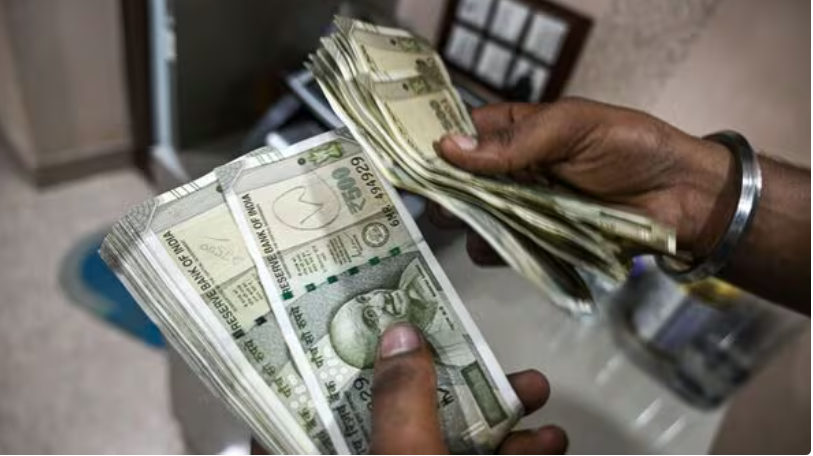
The salary debate just got louder across India.
In 2026, Dearness Allowance (DA) isn’t just a routine revision anymore—it’s turning into a political and financial flashpoint across states. Some governments are moving quickly to ease inflation pressure on employees, while others are still stuck in review mode, leaving millions waiting.
And the gap between “approved” and “pending” is starting to feel uncomfortable.
Because this time, it’s not just about numbers… it’s about who gets relief first.
Table of Contents
ToggleWhat’s Actually Happening With DA in 2026?
The Centre already set the tone earlier this year.
A 2% DA and Dearness Relief (DR) hike was approved by the Ministry of Finance in April 2026, effective from 1 January, pushing DA from 58% to 60% of basic pay.
That alone impacts a massive workforce:
- 50 lakh central government employees
- 65 lakh pensioners and retired defence personnel
But the real noise is coming from the states.
Must Read: Mumbai Metro Mobile Shock in 2026: Airtel & Vi Return After Months of Silence
States That Have Already Announced DA Hikes
Several states have moved quickly, mostly approving a 2% hike to align with the Centre.
Here’s how the rollout looks:
🔵 Fast movers (DA already increased)
- Assam → 2% hike, DA up to 60%
- Arunachal Pradesh → 2% hike effective 1 Jan 2026, 60% DA level
- Tamil Nadu → 2% hike effective 1 Jan 2026; impacts ~16 lakh employees; annual cost ₹1,230 crore
- Odisha → 2% increase to 60%, to be paid with May salary; pensioners also get revised TI hike
- Uttar Pradesh → 2% hike effective 1 Jan 2026; benefits ~16 lakh employees and pensioners
But that’s only part of the story.
Because some states are not just adjusting percentages—they’re recalculating entire pay structures.
The Hidden Complexity: Bihar’s Multi-Level DA Changes
Bihar stands out with a layered adjustment depending on pay commission:
- 6th Pay Commission employees → DA raised 257% → 262%
- 5th Pay Commission → 474% → 483%
- 7th Pay Commission → 58% → 60%
This isn’t a simple hike—it’s a multi-tier correction across generations of pay systems.
And it signals a deeper issue: India’s salary structure is still uneven across states.
Where Arrears and Backlogs Are Stirring Pressure
Some states are not announcing fresh hikes yet—but are dealing with unpaid dues.
Maharashtra:
- Approved ₹800 crore DA arrears
- Covers employees under 5th, 6th, and 7th Pay Commissions
- Also approved 2% DR increase for retired All India Services officers
This isn’t just a salary update—it’s a backlog cleanup.
And employees are watching closely, because arrears often matter more than percentage hikes.
States Still Holding Back — But Under Pressure
Not every state is moving at the same speed.
In review or pending decisions:
- Punjab → considering DA/DR dues from 2021–2024, sub-committee formed
- West Bengal → DA announcement expected in upcoming state budget
- Himachal Pradesh → reviewing DA and pending arrears; finance department asked to reassess deferment issues
And this is where frustration is building.
Because while some states already implemented hikes, others are still “reviewing” years of pending dues.
Why This Matters Beyond Salaries
DA isn’t just a payroll adjustment anymore.
It directly tracks inflation and cost-of-living pressure. With retail inflation at 3.48% in April 2026 and food inflation rising to 4.20%, households are feeling the squeeze in everyday essentials—milk, vegetables, fuel, and transport.
That’s why DA has become emotionally charged.
It’s not just policy.
It’s monthly survival math.
Contrarian View: Is the DA System Becoming Outdated?
Here’s the uncomfortable argument some economists quietly raise:
DA hikes are reactive, not structural.
They adjust salaries after inflation hits, not before it impacts purchasing power.
Critics argue:
- The system lags behind real-time inflation
- It creates uneven burden between states
- It encourages periodic “announcement politics” instead of reform
In other words, DA may be cushioning inflation—but it might also be delaying deeper salary reform conversations.
And not everyone agrees it’s sustainable in its current form.
What Happens Next Could Be Bigger Than a 2% Hike
Looking ahead, employees are already watching July closely.
There’s growing expectation of another 2–3% DA revision cycle, driven by inflation trends and AICPI data patterns.
But the real uncertainty is political:
- Will more states catch up quickly?
- Will arrears become the bigger battleground?
- Or will DA reform debates finally escalate?
Key Takeaway
DA in 2026 is no longer a routine adjustment.
It’s turning into a nationwide race—between inflation pressure, state budgets, and employee expectations.
And right now, India is split into two groups:
those who already got relief… and those still waiting for it.
Disclaimer
This article is based on publicly available information from reported updates. No facts, figures, or timelines have been fabricated. Analysis reflects interpretation of the source material and may evolve with new developments.