Something big is quietly building in India’s SUV market — and it’s not just another facelift or minor tweak.
Three major automakers are lining up new mid-size SUVs for the second half of 2026, and the timing is turning heads.
What makes it more interesting?
The first half of 2026 already saw a flood of major SUV launches. Yet the momentum isn’t slowing down — it’s accelerating.
Table of Contents
ToggleWhat’s Happening
The mid-size SUV segment in India is becoming a full-blown battlefield in 2026.
After six big launches in early 2026 — including models like the new Kia Seltos, Skoda Kushaq update, Renault Duster, Maruti e Vitara, Volkswagen Taigun, and Toyota Urban Cruiser — the second half isn’t cooling off.
Instead, Tata Motors, Nissan, and Honda are preparing three more SUVs that could reshape buyer expectations again.
Here’s the lineup:
- Tata Sierra.ev (launching first)
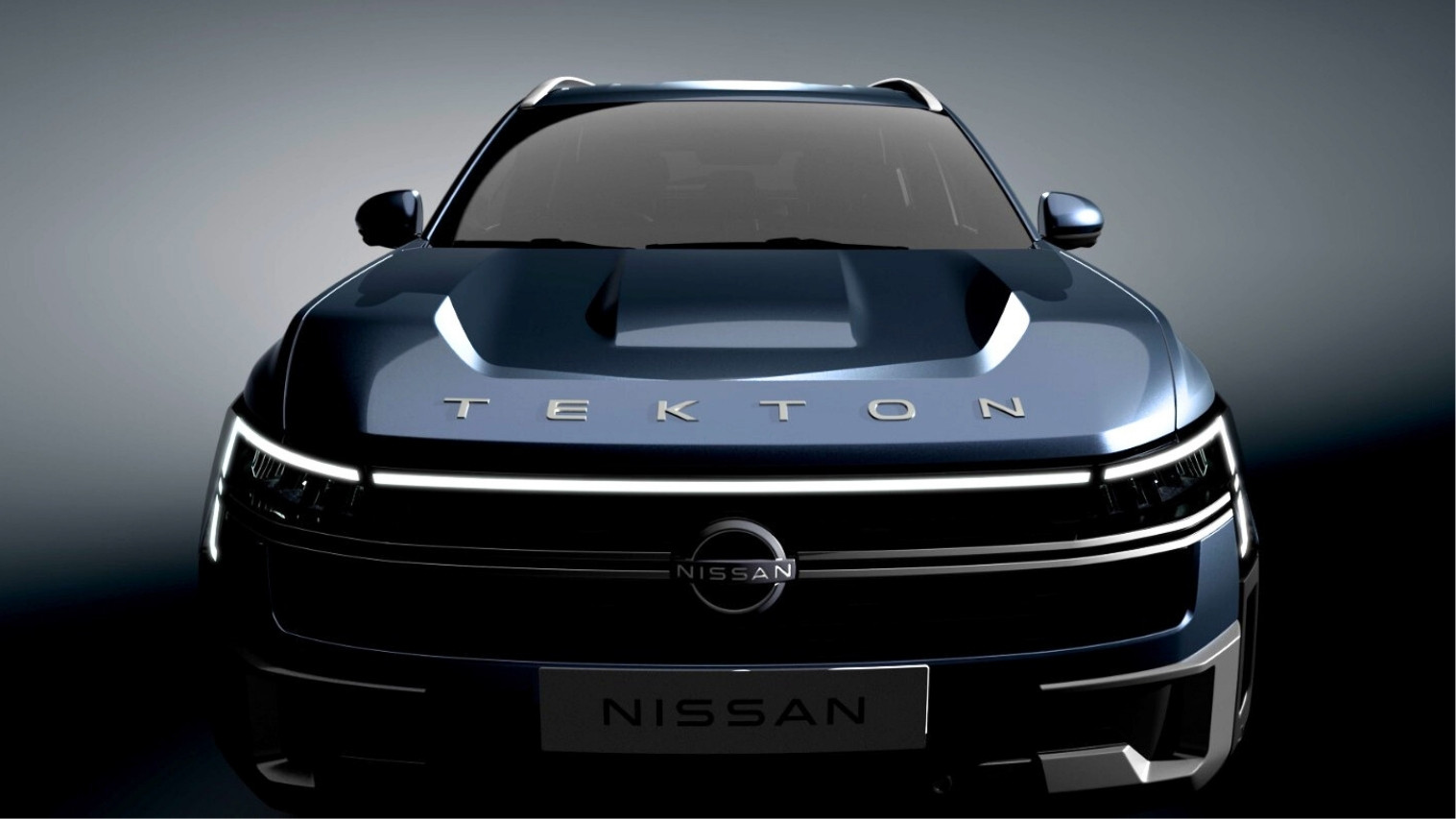
- Nissan Tekton (Duster-based rival SUV)
- Honda Elevate facelift (refreshed ICE SUV)
Why It Matters
This isn’t just product cycling — it’s a strategic land grab.
Indian buyers are increasingly shifting toward:
- Electric SUVs
- Tech-loaded interiors
- Adventure-ready design language
- Global-platform vehicles adapted for India
And all three launches are hitting at least one of these pressure points.
Must Read: Skoda’s Massive 50-Unit Kodiaq RS Move in 2026 Is Raising Big Questions
1. Tata Sierra.ev — The Electric Revival
Tata Motors is bringing back a legendary name: Sierra, now reborn as the Sierra.ev.
Expected to be revealed on June 30, 2026, with launch likely in July.
What we know so far:
- Fully electric mid-size SUV
- Rear-wheel drive and all-wheel drive options
- AWD aimed at off-road and adventure buyers
- Independent rear suspension for improved ride comfort
- Design closely aligned with the Sierra ICE concept, with EV-specific updates
Inside, changes are expected to be subtle — Tata is clearly leaning on familiarity rather than reinvention.
Key takeaway:
Tata isn’t just launching an EV — it’s reviving nostalgia and electrifying it.
2. Nissan Tekton — The Quiet Challenger
Next comes the Nissan Tekton, positioned as the spiritual successor to the Terrano.
It shares its foundation with the all-new Renault Duster, using the same:
- Platform
- Engines
- Transmission setup
- Electrical architecture designed for India
But Nissan is trying something different — identity separation.
Design direction:
- Similar silhouette to the Duster
- Sharper, more premium styling
- Subtle cues inspired by the Nissan Patrol
- Slightly more refined interior feel (expected)
Quick Comparison Snapshot
| Feature | Nissan Tekton | Renault Duster |
|---|---|---|
| Platform | Shared | Shared |
| Design | Sharper premium styling | Rugged utility focus |
| Positioning | More refined SUV | Mass-market rugged SUV |
A hybrid version is also expected later, around early 2027 — hinting at Nissan’s longer game plan.
3. Honda Elevate Facelift — Playing the Safe Card
The third launch is more conservative but still important.
The Honda Elevate facelift is expected around August–September 2026.
Updates will focus on refinement rather than reinvention:
- Redesigned bumpers
- Updated headlamps and tail lamps
- New alloy wheel designs
Inside, Honda may finally respond to long-standing customer demands:
- Ventilated front seats
- Electrically adjustable seats
- Panoramic sunroof
- 360-degree camera system
The engine stays unchanged:
- 1.5L naturally aspirated petrol
- 6-speed manual and CVT options
Industry Reaction
Dealers and analysts are watching one thing closely — timing saturation.
Three SUVs launching in a tight window could:
- Split buyer attention
- Increase showroom competition
- Force deeper discounts across segments
But automakers seem unfazed.
Because demand for mid-size SUVs in India isn’t slowing — it’s fragmenting.
Contrarian View — Is This Too Much Too Fast?
Not everyone is convinced this SUV wave is healthy.
Critics argue:
- The market may be approaching “option overload”
- Too many similar-sized SUVs dilute brand identity
- Facelifts and platform sharing may reduce real innovation
One industry perspective quietly circulating is blunt:
“We’re not seeing 3 different products — we’re seeing 3 variations of the same battle.”
If that holds true, the real winner may not be the most innovative SUV — but the one that simply arrives at the right price.
Market Impact
The second half of 2026 could reshape the mid-size SUV segment in three ways:
- Electrification push: Tata Sierra.ev strengthens EV credibility in SUVs
- Platform wars: Nissan Tekton vs Renault Duster will test shared architectures
- Feature race: Honda’s facelift signals how much equipment buyers now expect by default
What Happens Next
Everything now hinges on execution.
Because in a crowded SUV market:
- Design alone isn’t enough
- Powertrain alone isn’t enough
- Even brand legacy is no longer guaranteed advantage
The real question is simple — and slightly uncomfortable:
When three SUVs land almost back-to-back, which one actually feels new enough to matter?
Disclaimer: This article is based on publicly available information. No facts or outcomes have been fabricated. Analysis may evolve as new details emerge.