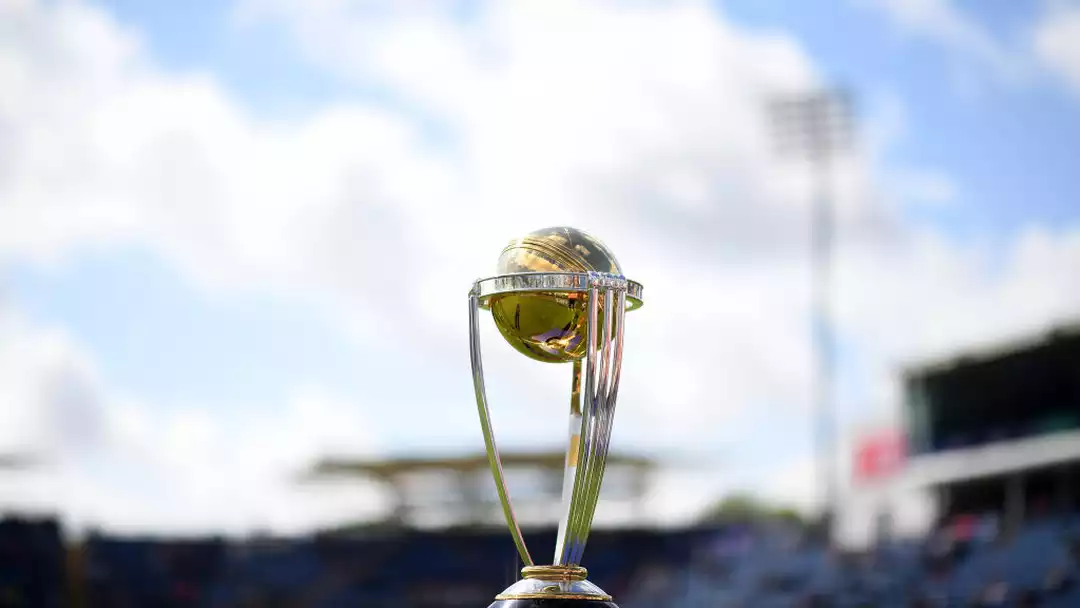
The 2027 ODI World Cup is starting to take shape — and one major change is already grabbing attention.
After two editions featuring just 10 teams, cricket’s biggest 50-over tournament is set for a dramatic return to a larger format. And with the ICC now identifying a tournament window stretching across nearly two months, the road to the next World Cup suddenly feels much more real.
According to sources tracking preparations, the ICC has earmarked October 1 to November 21, 2027 for the tournament that will be jointly hosted by South Africa, Zimbabwe and Namibia.
But that’s only part of the story.
The tournament will not simply be another edition of the ODI World Cup. It will mark the return of a significantly expanded field, creating more matches, more rivalries and potentially more surprises.
What Happened?
The proposed schedule currently places warm-up matches between October 1 and October 7, with the main tournament expected to begin on October 8.
The final is tentatively scheduled for November 21, 2027.
While the ICC has yet to confirm venues for the opening match, final or any of the tournament’s 54 games, preparations are steadily moving forward behind the scenes.
Key Dates at a Glance
| Event | Tentative Date |
|---|---|
| Warm-up Matches Begin | October 1, 2027 |
| Main Tournament Starts | October 8, 2027 |
| Final | November 21, 2027 |
The official venue allocation remains under discussion, but South Africa is expected to host the majority of the tournament.
Must Read: 2 Massive 2026 Questions Rock England: Alcohol Ban and Stokes’ Captaincy Future
South Africa Set to Host Most Matches
Of the planned 54 matches:
- South Africa is expected to host 40 matches
- Zimbabwe and Namibia will share the remaining 14 matches
That distribution reflects South Africa’s extensive cricket infrastructure, but it also highlights the growing role of neighboring nations in staging a truly regional World Cup.
And this is where things become interesting.
Zimbabwe may add a third host city alongside Harare and Bulawayo.
The most intriguing possibility? Victoria Falls.
Known globally for its spectacular natural scenery, the city could become one of the most visually unique World Cup venues ever associated with the tournament.
For cricket fans, that would add a completely different flavor to the event.
The Biggest Change: 14 Teams Return
Perhaps the most significant development is the tournament format.
The last two ODI World Cups featured only 10 teams, a decision that generated years of debate among fans and cricket observers.
Now, the World Cup is expanding back to 14 teams.
Here’s how the format is expected to work:
- Two groups of seven teams
- Top three teams from each group advance
- Six teams enter the Super Six stage
- Knockout rounds follow
- Final on November 21
The expansion means more nations will have an opportunity to compete on cricket’s biggest stage.
It also means more matches with genuine upset potential.
And historically, expanded tournaments tend to create unexpected storylines that smaller formats often eliminate.
Why It Matters
The ODI format has faced increasing competition from franchise leagues and the rapid rise of T20 cricket.
Against that backdrop, a larger World Cup carries extra significance.
More teams create more narratives.
More narratives create more global interest.
And more global interest strengthens the position of 50-over cricket at a time when every format is competing for attention.
The 2027 tournament will also represent a major moment for African cricket.
Hosting responsibilities spread across South Africa, Zimbabwe and Namibia could help showcase the game’s growth across the region while bringing World Cup cricket to fans who rarely get opportunities to witness global tournaments on home soil.
The Contrarian View
Not everyone will automatically celebrate expansion.
Critics of larger tournaments have long argued that additional teams can create uneven contests and increase the number of one-sided matches.
Supporters counter that the only way emerging cricket nations improve is through exposure to elite competition.
That debate is unlikely to disappear before 2027.
In fact, it may intensify as qualification pathways become clearer and teams begin securing their places.
What Happens Next?
More details are expected to emerge following the ICC Annual General Meeting in Edinburgh from July 8 to July 11.
Questions still remain:
- Which venue will host the final?
- Where will the opening match be played?
- Will Victoria Falls officially become a World Cup venue?
- Which emerging teams will benefit most from the expanded format?
Those answers are still ahead.
But one thing is already clear: the 2027 ODI World Cup is shaping up to be bigger, longer and more geographically diverse than the last two editions.
And with 54 matches spread across three nations, cricket’s flagship 50-over event may be preparing for one of its most ambitious chapters yet.
Editorial Disclaimer: This article is based entirely on publicly available information reported by Cricbuzz and related tournament planning details available at the time of publication. No facts, quotes, outcomes or statistics have been fabricated. Tournament plans remain subject to official confirmation, and analysis may evolve as new information emerges.