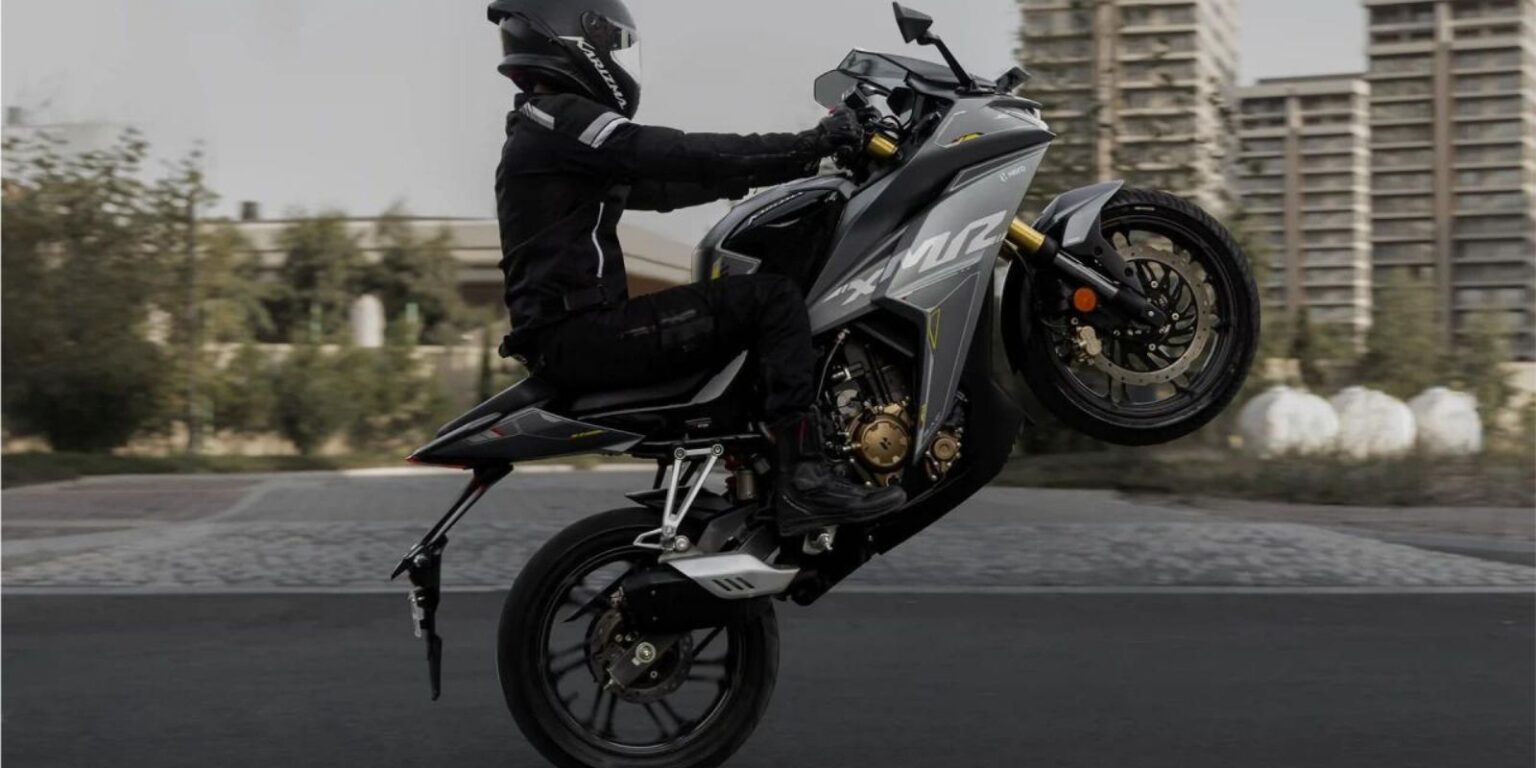
India’s biggest two-wheeler maker is quietly preparing something much bigger than just “new launches.”
A wave of 12+ new Hero MotoCorp models is now lining up—and the direction is impossible to ignore: electric scooters, premium bikes, and a full-scale portfolio shake-up.
And here’s the twist: this isn’t a distant future plan. It’s aimed at FY27.
That alone signals a market shift that could reshape commuter mobility in India.
Table of Contents
ToggleWhat’s Happening Behind the Scenes
Hero MotoCorp is entering an aggressive expansion phase, and the focus is split across three fast-moving pillars:
- Vida electric scooters getting a major boost
- Xoom scooter lineup scaling up rapidly
- Premium and higher-capacity motorcycles entering stronger territory
But the real shock lies in scale.
Hero is planning to significantly increase EV production capacity, targeting nearly three times higher electric scooter output by the end of 2026.
That’s not a tweak. That’s a full-speed pivot.
Why This Matters Right Now
The Indian scooter market is already shifting toward electrification, but Hero’s move adds serious pressure.
The company expects:
- EV scooters to become a major share of its sales mix
- Over 50% of scooter volumes being electric by the end of the decade
- Faster localisation to reduce costs and stabilize supply chains
And it doesn’t stop there.
Hero is also pushing for around 90% PLI coverage for its EV portfolio before FY27—an aggressive manufacturing incentive target tied directly to India’s production-linked incentive ecosystem.
Must Read: 3 New SUVs in 2026 Spark Shock as Tata, Nissan, Honda Gear Up
The Numbers That Change the Conversation
Here’s what Hero MotoCorp’s scale looks like today:
- ~55 lakh motorcycles sold annually
- ~5.7 lakh scooters sold annually
- Multi-segment expansion across EV + ICE + flex-fuel
Now layer in the upcoming investment:
Around ₹1,500 crore allocated in FY27 for EV expansion, R&D, and future mobility development
That’s not just product expansion—it’s infrastructure-level transformation.
The Product Storm: 12+ Launches Incoming
Hero is preparing more than a dozen new products across multiple categories.
Expected direction includes:
- New Vida electric scooters
- Expanded Xoom scooter range
- Upgraded Destiny scooter lineup
- New 125cc+ premium motorcycles
- Entry into flex-fuel models
- Strengthening mid-capacity segment via existing platforms like Mavrick 440 and Harley-Davidson X440 partnership
This is where competition gets tense.
Because Hero is no longer just defending commuter territory—it’s actively attacking premium and EV segments traditionally dominated by:
- Honda
- Bajaj
- TVS
- Royal Enfield (in motorcycles)
Market Impact: A Pressure Wave Across Two-Wheelers
The scooter space is already heating up, but Hero’s scale-up changes the equation.
Key ripple effects expected:
- Faster EV price competition
- Higher localisation pressure on rivals
- Aggressive scooter expansion across India
- Increased fragmentation in 125cc+ motorcycle category
Quick Snapshot
| Segment | Hero Strategy |
|---|---|
| EV Scooters | Triple output by 2026 |
| ICE Scooters | Expand Xoom + Destiny |
| Premium Bikes | Push 125cc+ and mid-capacity |
| Global Markets | Increased international footprint |
And this is where things become interesting—the scooter segment is no longer just “city transport.” It’s becoming the core battlefield of India’s mobility future.
Industry Reaction: Quiet but Tense
While no one is publicly calling it a disruption, competitors are clearly watching closely.
Hero’s direction signals three uncomfortable truths for rivals:
- EV adoption is accelerating faster than expected
- Scale advantage still matters heavily in scooters
- Premium expansion is no longer optional for legacy brands
And the biggest signal of all?
Hero is investing simultaneously in EV, ICE, and flex-fuel—a rare multi-front strategy that reduces dependency on any single technology outcome.
Contrarian View: Is Hero Moving Too Fast?
Not everyone sees this expansion as purely positive.
Some industry watchers quietly point to a potential risk:
Hero is scaling across too many segments at once—EV scooters, premium motorcycles, flex-fuel tech, and global expansion simultaneously.
That raises uncomfortable questions:
- Can execution keep up with ambition?
- Will premium motorcycle traction dilute EV focus?
- Is the scooter-heavy strategy overexposing the company to EV volatility?
In other words, while Hero’s aggression looks impressive on paper, the real challenge is coordination at scale—not demand.
And history in the auto industry has shown one thing repeatedly: complexity can slow down even the biggest players.
What Happens Next
Hero MotoCorp is clearly positioning FY27 as a defining year.
The roadmap suggests:
- Rapid Vida EV expansion
- Wider Xoom scooter penetration
- Stronger premium motorcycle push
- Higher EV contribution to overall sales mix
- Deeper localisation and cost control strategies
But the real question isn’t what Hero is launching.
It’s whether India’s largest two-wheeler maker can successfully transform itself without losing its commuter stronghold in the process.
Because once this transition accelerates, there may be no easy way to slow it down again.
Disclaimer
This article is based on publicly available information. No facts, figures, or outcomes have been independently altered or fabricated. Interpretations and analysis may evolve as new updates emerge.