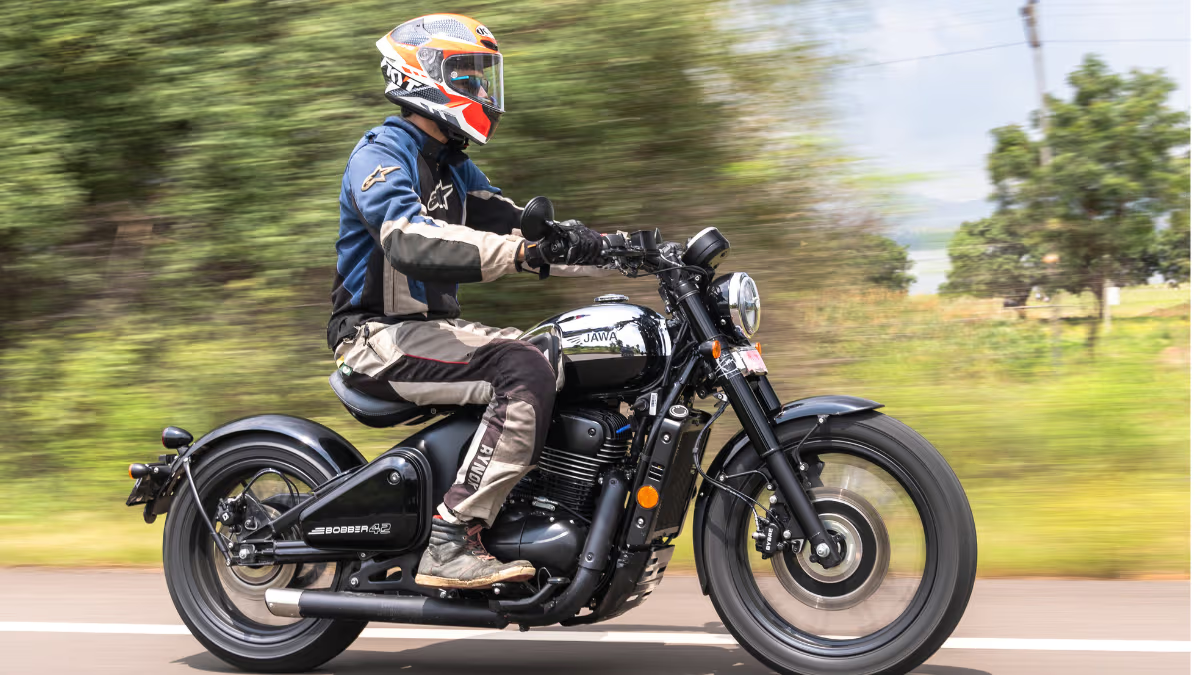
It doesn’t look like it should be mass-produced.
That’s the first thought most riders have when they see the Jawa 42 Bobber on the road.
A low-slung silhouette. A floating seat. A chopped rear that looks ripped straight out of a custom garage.
And yet—this is a showroom motorcycle in India in 2026.
The real question is not why it looks different…
It’s why more bikes don’t dare to look like this.
Table of Contents
ToggleWhat Happened: A Factory Bobber That Refuses to Play Safe
The Jawa 42 Bobber continues to stand apart as one of the only true factory-built bobber motorcycles in India. While most retro bikes borrow styling cues, this machine commits fully to the stripped-down bobber philosophy.
And it shows.
Key design highlights:
- Floating single-seat setup
- Chopped rear fender for a raw custom look
- Twin slash-cut exhausts with deep bass tone
- Bar-end mirrors and wide tyres
- Blacked-out mechanical components
The fuel tank design, combined with sculpted grips, adds just enough aggression without breaking the minimalist theme.
But there’s a twist—this isn’t just a styling exercise. It’s built to perform.
Must Read: Hero Super Splendor Xtec 2.0 Price Shock in 2026: ₹1 Lakh On-Road Reality Hits Cities
Why It Matters: 334cc That Doesn’t Behave Like One
Under the skin, the Jawa 42 Bobber runs a 334cc, liquid-cooled single-cylinder engine producing:
- 29.9 PS power
- 30 Nm torque
- 6-speed gearbox
- Assist & slipper clutch
On paper, it sounds modest. On the road, it feels more alive than expected.
The mid-range punch is where the bike wakes up. Highway cruising at around 100 km/h feels stable, and the sixth gear makes long rides less tiring than most retro competitors.
And then there’s the exhaust note—deep, heavy, almost theatrical. It doesn’t whisper. It announces itself.
Market Impact: Style vs Substance Debate Gets Loud Again
In India’s growing 300–400cc retro segment, the Bobber is doing something unusual—it’s not trying to be “versatile.”
It’s intentionally niche.
Quick snapshot:
| Factor | Jawa 42 Bobber |
|---|---|
| Engine | 334cc liquid-cooled |
| Output | 29.9 PS / 30 Nm |
| Seat height | 740 mm |
| Weight | ~185 kg |
| ABS | Dual-channel |
| Wheels | 18” front / 17” rear |
This positioning makes it less of an all-rounder and more of a lifestyle machine.
And that’s where competitors quietly struggle.
Because while others try to balance comfort, tech, and mileage… this bike doubles down on identity.
Industry Reaction: “Beautiful… but is it practical?”
Riders and reviewers largely agree on one thing: it’s visually striking.
User impressions highlight:
- Strong road presence
- Comfortable for solo riding
- Smooth engine behavior in city + highway mix
- Mileage around 25–30 km/l (real-world range reported by users)
But not everything is glowing.
Some riders mention:
- Heat buildup in heavy traffic
- Firm suspension on rough roads
- High fuel sensitivity depending on riding style
The motorcycle clearly prefers open roads over chaotic urban commutes.
Hidden Detail Most Buyers Notice Late
One of the most underrated features is the adjustable seat setup. It’s rare in this segment and allows riders to tweak seating position for comfort—something usually reserved for higher-end cruisers.
Add to that:
- Fully digital LCD display (gear indicator, range, trip data)
- LED lighting setup with hazard lights
- Side-stand engine cut-off safety feature
But there’s a noticeable gap too—no Bluetooth connectivity or navigation. In 2026, that omission feels louder than it should.
Contrarian View: Is the Bobber Styling Actually a Limitation?
Here’s where opinions split sharply.
Supporters say the design is the entire point—it’s bold, emotional, and unapologetically different.
Critics argue something more uncomfortable:
The same styling that makes it iconic also limits its everyday practicality.
Because the floating seat, low stance, and minimalist rear section aren’t just aesthetic choices—they affect:
- pillion usability (essentially absent)
- long-distance comfort for rough roads
- heat management perception in city riding
In short: it’s a machine built around identity first, convenience second.
And that trade-off is not for everyone.
What Happens Next: The Bobber Question in India
The biggest unanswered question is whether motorcycles like the Jawa 42 Bobber represent a growing niche—or a temporary style wave.
Because while demand for retro machines is rising, Indian buyers are still heavily utility-driven.
So the tension remains:
- Will more factory bobbers enter the market?
- Or will this remain a bold but rare experiment in design-first engineering?
Either way, the segment has clearly been disrupted.
And riders who once wanted “just a motorcycle” are now being tempted by something else entirely—a rolling personality statement.
Final Thought
The Jawa 42 Bobber doesn’t try to convince you. It either clicks instantly—or it doesn’t make sense at all.
And maybe that’s exactly why it keeps getting attention in 2026.
Because in a market full of practical choices, it asks a more uncomfortable question:
Do riders still want motorcycles that are useful… or ones that are unforgettable?
Editorial Disclaimer
This article is based on publicly available information from the provided source. No facts, figures, or specifications have been fabricated. Interpretations reflect general analysis and may evolve as new information emerges.