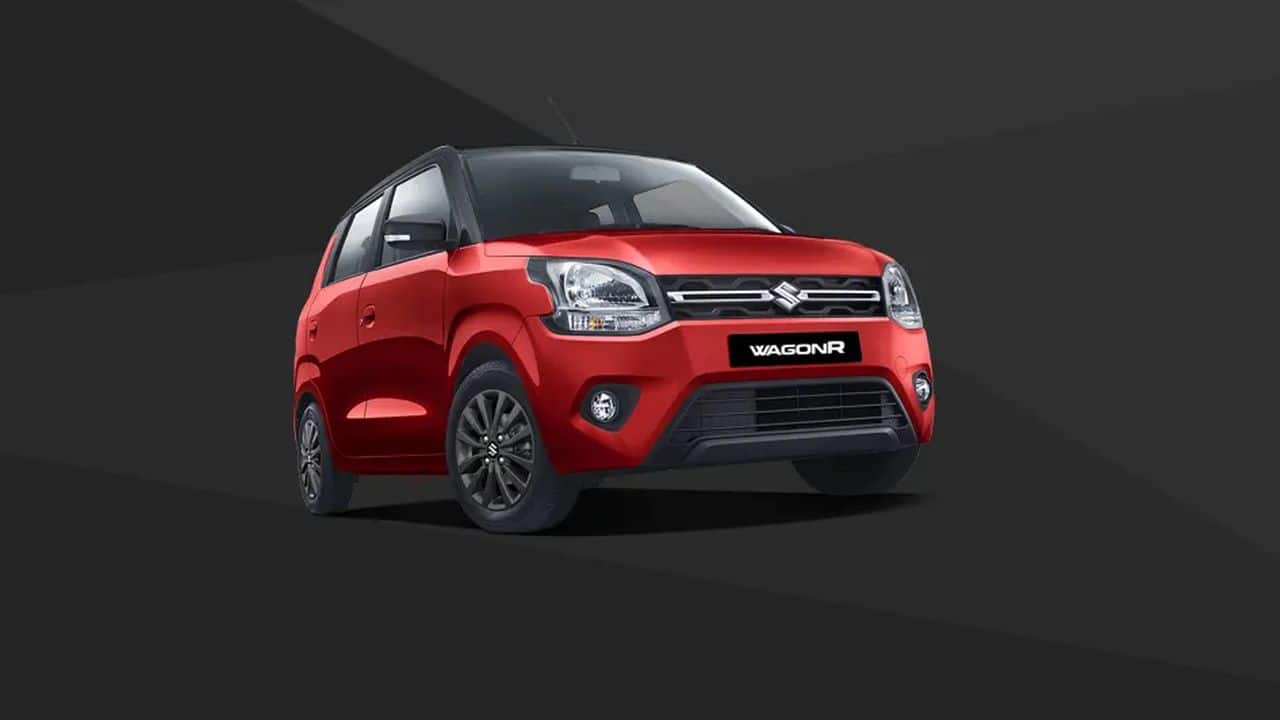
Just days after announcing price hikes across its lineup, Maruti Suzuki has made an unexpected move that could bring relief to thousands of budget car buyers.
At a time when vehicle prices seem to be moving in only one direction, up, India’s largest carmaker is temporarily pressing the brakes.
And that decision says a lot about what’s happening in the country’s small car market.
Maruti Suzuki Offers Price Protection on 4 Entry-Level Cars
Maruti Suzuki has announced a price protection scheme covering four of its most affordable Arena models:
- Alto K10
- WagonR
- Celerio
- S-Presso
Customers who book any of these vehicles before June 14, 2026, will be protected from the latest round of price increases announced by the company.
The development comes shortly after Maruti Suzuki revealed vehicle price hikes of up to ₹30,000 across its portfolio, citing rising commodity costs, inflationary pressures, and increasing operating expenses.
For buyers already stretching their budgets to enter the four-wheeler market, that protection could make a meaningful difference.
But that’s only part of the story.
Must Read: Top 8 MPVs in May 2026: Massive Ertiga Dominance Leaves Rivals Chasing
Why This Move Matters More Than It Appears
For years, India’s small car segment has faced mounting pressure from rising ownership costs, stricter regulations, and changing consumer preferences.
Many buyers have shifted toward SUVs.
Others have postponed purchases altogether.
Yet Maruti Suzuki recently indicated that small cars are showing signs of recovery. According to the company, the segment has helped it regain around 300 to 400 basis points of market share.
That is a significant signal.
It suggests that entry-level cars are not disappearing from the market as quickly as many expected.
Instead, they may be staging a quiet comeback.
Key Takeaway
| Factor | Impact |
|---|---|
| Price Protection | Shields buyers from latest increase |
| Booking Deadline | June 14, 2026 |
| Covered Models | Alto K10, WagonR, Celerio, S-Presso |
| Recent Price Hike | Up to ₹30,000 across lineup |
The Real Battle: Affordability
In premium vehicle segments, a price increase may not dramatically change buying decisions.
The small car market operates differently.
For many first-time buyers upgrading from two-wheelers, affordability remains the single biggest factor.
A slightly higher EMI.
A marginally larger down payment.
A modest increase in on-road cost.
Any of these can become the difference between purchasing a car now or waiting another year.
That appears to be the challenge Maruti Suzuki is trying to address.
And this is where things become interesting.
While automakers continue pouring investments into SUVs, hybrids, and electric vehicles, the company’s latest move suggests small cars remain strategically important.
Not necessarily because they generate the highest margins.
But because they bring new customers into the market.
The Cars at the Center of the Decision
Each model covered under the scheme plays a distinct role in Maruti Suzuki’s lineup.
WagonR
The WagonR remains one of India’s most successful hatchbacks.
Buyers can choose between 1.0-litre and 1.2-litre petrol engines, along with a factory-fitted CNG option. The model consistently ranks among the country’s top-selling passenger vehicles.
Alto K10
Often considered the gateway into Maruti ownership, the Alto K10 uses a 1.0-litre K-Series petrol engine producing 67 hp and is available with both manual and AMT transmission choices.
Celerio
Positioned between the Alto and WagonR, the Celerio has built its reputation around fuel efficiency while also offering a CNG variant.
S-Presso
The S-Presso appeals to buyers looking for a taller seating position and SUV-inspired styling without stepping into a significantly higher price bracket.
The Contrarian View
Not everyone will see this announcement as a major win.
Some may argue that temporary price protection does not solve the larger issue facing entry-level cars: affordability itself continues to become more challenging over time.
Even if buyers avoid the latest increase today, the broader trend of rising vehicle costs remains intact.
Others may point out that consumer demand has increasingly shifted toward SUVs, raising questions about how much momentum the small car segment can realistically regain.
Those concerns are valid.
Yet the fact that India’s biggest carmaker is actively protecting small-car buyers suggests the segment still matters far more than many industry observers assume.
What Happens Next?
The next few months could reveal whether the recovery in India’s small car market is truly gaining strength or merely experiencing a temporary rebound.
For now, Maruti Suzuki has sent a clear message.
Even in an era dominated by SUVs, electrification, and premiumization, affordable hatchbacks continue to occupy a critical place in India’s automotive landscape.
The bigger question is whether this renewed momentum can survive future price pressures—or whether buyers will once again drift toward other segments.
That answer may shape the future of India’s entry-level car market more than any single price hike ever could.
Editorial Disclaimer: This article is based entirely on publicly available information reported by the source. No facts, figures, outcomes, quotes, or events have been fabricated. Analysis and market interpretation are based solely on currently available information and may evolve as new developments emerge.