Something unusual is happening at Hyundai.
While competition from Tata Motors and Mahindra continues to intensify, the Korean automaker appears to be preparing one of its most aggressive product offensives in recent years.
Not one. Not two.
Four completely new vehicles are expected to arrive within the next 12–18 months, covering some of India’s hottest segments—from compact SUVs and electric vehicles to premium hatchbacks.
And the biggest surprise may not be the number of launches.
It’s the fact that Hyundai could be rethinking its strategy at exactly the moment the market is changing fastest.
Hyundai’s Next Big Bet Starts With the Bayon
The first major launch expected from Hyundai is the next-generation Bayon SUV.
Positioned between the Venue and Creta, the Bayon is expected to target younger buyers looking for something sportier and more distinctive than traditional family-focused SUVs.
Reports indicate the model could debut a newly developed 1.2-litre turbocharged four-cylinder petrol engine, while a 1.0-litre turbo-petrol option is also likely to be available at launch.
A hybrid version could reportedly arrive a year or two later.
That alone makes the Bayon one of Hyundai’s most closely watched upcoming launches.
Expected Highlights
- Positioned between Venue and Creta
- Sportier design philosophy
- New 1.2-litre turbo petrol engine
- 1.0-litre turbo petrol option expected
- Hybrid possibility under consideration
But that’s only part of the story.
Must Read: 2026 Audi Q7 Brings Massive 630 Nm Diesel Power And Game-Changing Tech
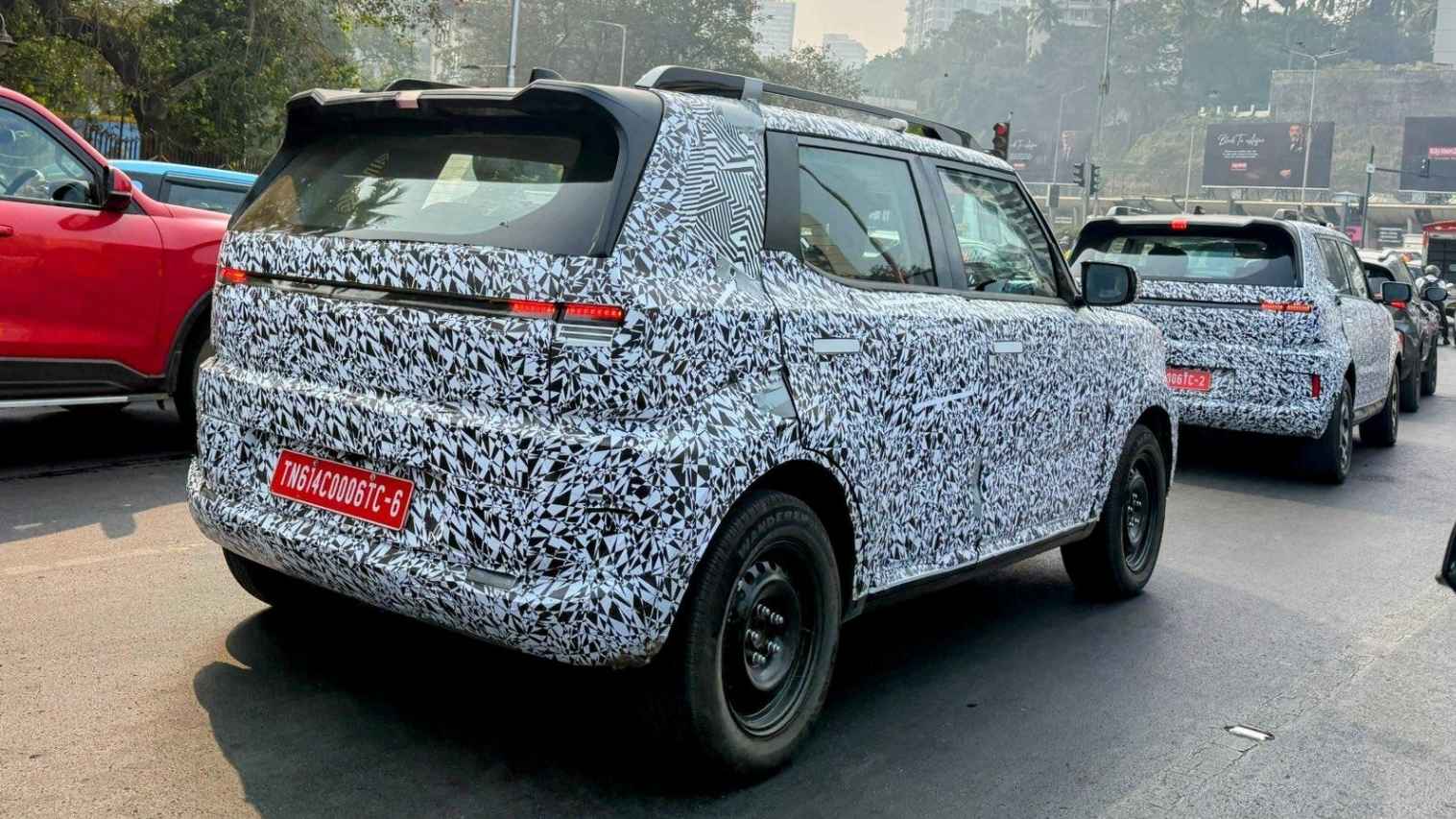
Hyundai Is Preparing an Electric Punch Rival
Early 2027 could bring one of Hyundai’s most important launches yet.
Internally known as “HE1i”, the upcoming electric micro-SUV is expected to challenge models in the rapidly expanding affordable EV space.
The vehicle is likely to feature:
| Feature | Expected Details |
|---|---|
| Body Style | Electric micro SUV |
| Design | Squarish stance |
| Lighting | Pixel-inspired front and rear lamps |
| Ground Clearance | High-riding setup |
| Battery Options | Two LFP battery packs |
| Range | Up to 375-400 km (larger battery) |
Inside, Hyundai is expected to adopt a minimalist cabin layout featuring a 9.9-inch digital instrument cluster and a 12.9-inch touchscreen infotainment system.
And this is where things become interesting.
As EV adoption continues growing, Hyundai appears determined not to leave the entry-level electric SUV space entirely to rivals.
The Next-Gen Creta Could Be the Biggest Story of Them All
If there is one launch that could attract the most attention, it may be the next-generation Creta.
Expected sometime in 2027, the new Creta is reportedly being developed on Hyundai Motor Group’s K3 platform and could grow significantly in size.
Sources suggest the SUV may stretch to around 4.5 metres in length.
That’s a meaningful shift for a vehicle that already dominates conversations in India’s midsize SUV segment.
What Could Change?
- Larger overall dimensions
- More spacious cabin
- New-generation interior layout
- Hybrid powertrain option expected
- Design inspiration from Hyundai’s Crater concept
Unlike the current model, the upcoming Creta is also expected to offer a hybrid variant based on a 1.5-litre naturally aspirated petrol engine.
The bigger issue may be what happens next.
If hybrid demand accelerates in India, Hyundai could be positioning itself for a very different market than the one that exists today.
Hyundai Isn’t Giving Up on Hatchbacks Either
While SUVs dominate headlines, Hyundai appears unwilling to abandon the premium hatchback segment.
The company is reportedly developing an all-new i20 that could arrive toward the end of 2027.
Spy images have pointed toward a completely redesigned exterior while retaining the sporty character associated with the model.
Inside, Hyundai is expected to introduce a curved panoramic display integrating:
- Driver information display
- Touchscreen infotainment system
Advanced Level 2 ADAS features are also expected to be part of the package.
For buyers worried that hatchbacks are slowly disappearing from the spotlight, Hyundai’s next move could provide some reassurance.
Contrarian View: Is Hyundai Taking on Too Much at Once?
Not everyone will see this product blitz as an automatic win.
Launching multiple new vehicles across SUV, EV and hatchback categories sounds ambitious, but it also raises questions.
Can every model stand out in an increasingly crowded market?
Will hybrid technology arrive quickly enough to influence buying decisions?
And as competitors continue introducing new products at a rapid pace, Hyundai faces the challenge of keeping each launch fresh and relevant.
Those questions remain unanswered.
But they are likely to become increasingly important as these vehicles move closer to production.
What Happens Next?
Over the next 18 months, Hyundai could reshape large parts of its Indian lineup.
A new Bayon, an electric micro-SUV, a next-generation Creta and an all-new i20 represent far more than routine model updates.
Together, they signal a broader effort to defend market share, attract younger buyers and strengthen Hyundai’s position across multiple fast-growing segments.
Whether that strategy succeeds may ultimately depend on how quickly consumer preferences evolve.
One thing is certain: the battle for India’s car market is becoming more intense—and Hyundai appears ready to respond.
Editorial Disclaimer: This article is based entirely on publicly available information and reports referenced in the source material. No facts, outcomes, timelines or claims have been fabricated. Future developments may change as new information emerges.